Renowned as one of the most stringent organic certifications in the world, the USDA has relatively strict criteria and requirements for both products and producers. In the following article, let’s explore what those criteria and requirements are.
Overview of USDA Certification
The USDA (United States Department of Agriculture), also known as the U.S. Department of Agriculture, is a government agency responsible for establishing and enforcing standards related to agriculture, including crop production, livestock farming, and food distribution. Currently, the USDA oversees the National Organic Program (NOP), which administers the USDA Organic label used to certify agricultural products that meet organic standards.
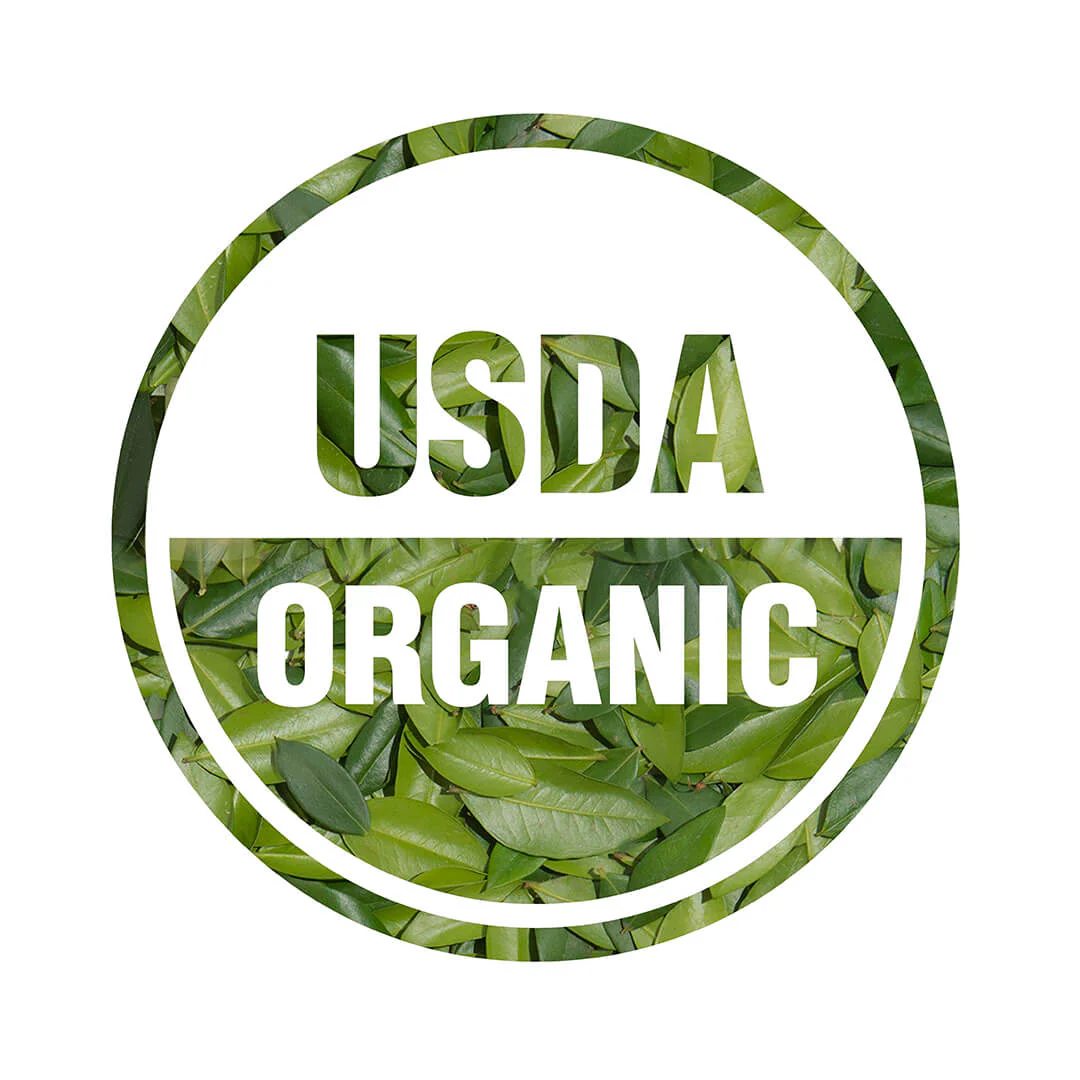
Since its launch in 2002, the USDA Organic certification has quickly gained significant attention and has become one of the most widely recognized certifications globally. Currently, this certification has been granted to over 46,000 facilities worldwide, spanning various countries and categorized into three specific classifications: 100% Organic, Organic (at least 95% of ingredients are certified organic, with the remaining 5% falling under the “safe” category), and Made with Organic Ingredients (at least 70% of the product’s ingredients are certified organic).
Core Requirements
While the standards for USDA certification may vary slightly depending on the product, in general, this certification requires businesses to:
- Conserve resources and biodiversity: Throughout the cultivation and production process, businesses must commit to preserving land, water sources, and the surrounding ecosystem. Additionally, businesses are responsible for restoring biodiversity, as this is a mandatory principle.
- Raise animals in natural environments: Ensure animal welfare through free-range farming, providing conditions and space for movement and activity that align with the animals’ natural behaviors.
- Use of permitted ingredients: The use of ingredients and additives not listed in the permitted category is prohibited.
- Strict prohibition on the use of genetically modified organisms (GMOs): The use of genetically modified ingredients in products is completely prohibited to ensure safety and maintain the natural integrity of the product.
- Annual inspections: Businesses must undergo annual inspections by the certifying authority. This helps the USDA maintain transparency in the certification process and ensures that businesses consistently comply with established standards.
- Separation of organic and non-organic foods: To minimize the risk of contamination, organic products must be completely separated from conventional products throughout the entire production, processing, and distribution process.
Certification Requirements
In addition to standard requirements, the USDA also sets certain conditions that businesses must meet to obtain this certification. These conditions vary depending on the type of certification the business is applying for, specifically including:
- Organic crops: The use of pesticides or genetically modified organisms is not permitted. Additionally, if the business uses irradiation, sludge, or synthetic fertilizers, these must be approved under the permitted list.
- Organic livestock: Animals certified by the USDA must not be fed growth promoters or antibiotics. They must be raised in an outdoor environment and fed exclusively organic feed.
- Organic-based products: Must contain at least 95% certified organic content, with the remaining 5% consisting of substances listed in the approved list, ensuring they do not harm the environment or consumer health.
Eligibility for USDA Organic Certification
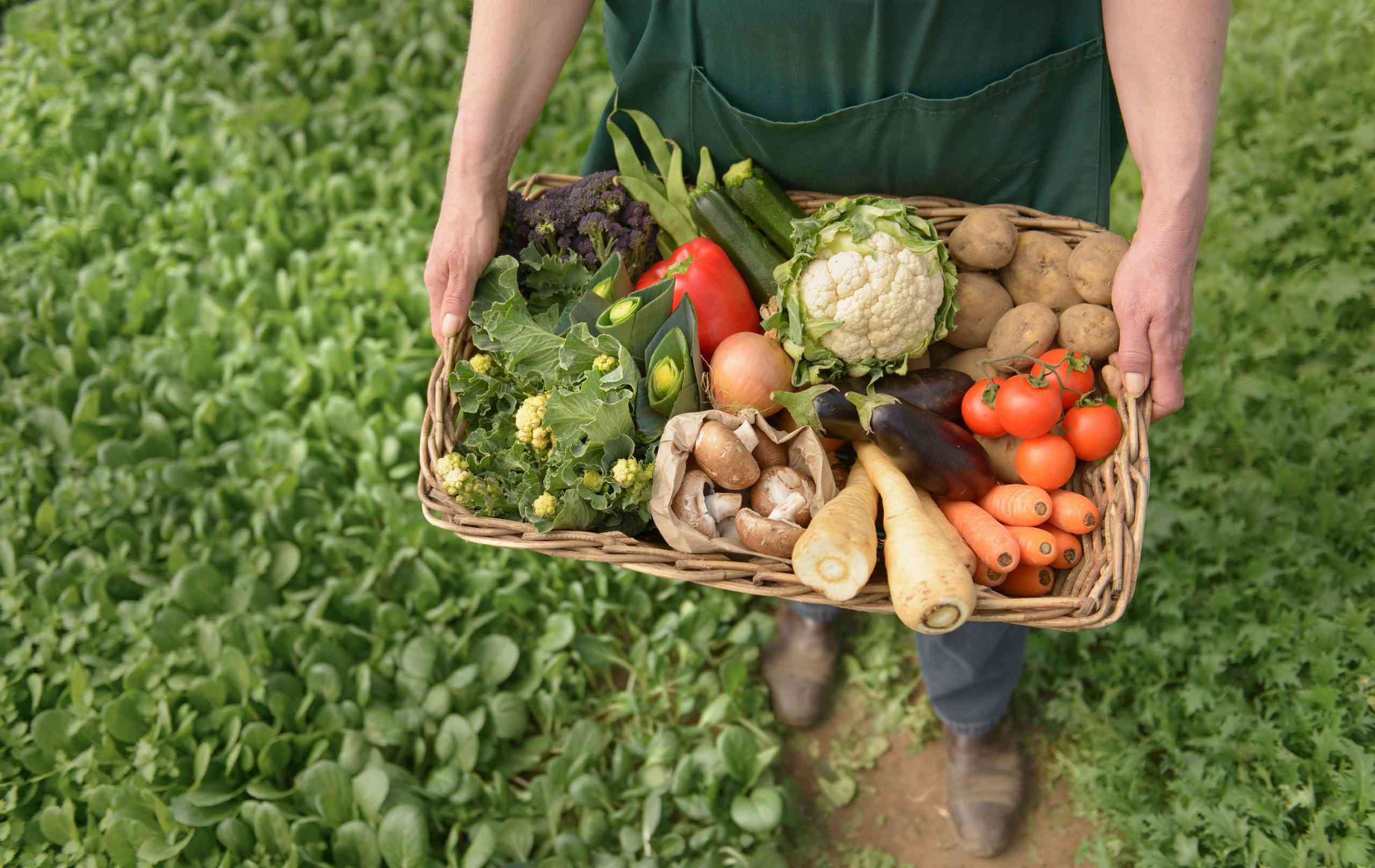
Since this is an organic certification, the target audience for the USDA includes businesses involved in the production, distribution, and sale of organic products. Examples include:
- Organic food processing and packaging facilities.
- Import/export companies, distributors, and brokers of organic products.
- Retail stores offering products that meet organic standards.
- Organizations engaged in research and development of organic products.
Conclusion
Although the requirements and conditions set by the USDA are stringent, they all help ensure operational efficiency and improve product quality. At the same time, they also help minimize risks during the production process. And it is precisely these requirements and conditions that serve as a springboard for businesses to take their first steps toward sustainable agriculture—a global development trend that the world is moving toward.