
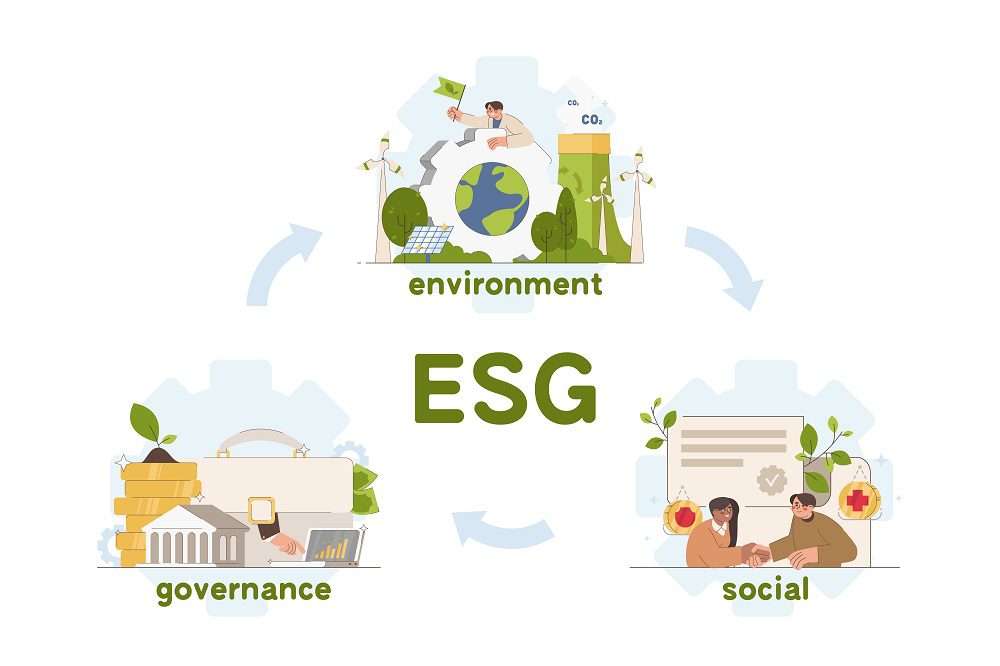
The ESG (Environmental, Social, and Governance) standards, along with their rigorous and transparent evaluation criteria, continue to drive the trend toward sustainable business and development among modern enterprises worldwide. In the following article, let’s delve deeper into the key pillars that form the foundation of ESG, as well as the specific evaluation criteria associated with each of these pillars.
Environmental
The environment is a critical aspect that businesses must address when pursuing ESG certification, as it is an essential objective in sustainable development. The ESG environmental assessment process covers everything from production and operations to management, with specific key criteria:
Climate Change
To prevent climate change and minimize economic impacts on the environment, businesses must not only demonstrate the ability to adapt to climate change but also adhere to commitments to reduce greenhouse gas emissions, fulfilling both international and domestic targets. These commitments and targets provide a clear foundation for businesses to rely on when mitigating climate impacts during operations.
Energy Use
Instead of fossil fuel-based energy sources—which pollute the environment during extraction and deplete resources—ESG encourages businesses to focus on renewable energy sources such as solar and wind power, while ensuring they are used efficiently and conservatively. This also helps businesses maintain long-term operations in a more sustainable manner.
Natural Resource Management
To achieve a high ESG score, businesses must fully comply with all legal regulations when using natural resources. Additionally, for areas previously impacted, businesses should prioritize their rehabilitation and restoration, as water, land, vegetation, minerals, and air are not merely resources but the foundation for all production activities. Currently, some businesses and organizations have explored applying technologies to generate resources rather than extracting them as before, helping to somewhat reduce the burden on the ecological environment.
Waste Management and Recycling
Waste is considered one of the major causes of environmental pollution. Therefore, ESG places great emphasis on the scientific management of waste. A business’s waste must be sorted, and its volume must be meticulously tracked, while ensuring that the entire process—from storage and transportation to treatment—is conducted safely and in compliance with regulations.
Social
Following environmental issues, Social is the next core aspect considered when evaluating businesses participating in the ESG standard. This core focus primarily centers on responsibility—both ethical and legal—based on the relationship between the business and society, including customers, partners, the community, and, most importantly, between the business and its employees.
Privacy and Data Security
Currently, as awareness of privacy and information security is increasingly emphasized, ESG also requires businesses to commit to fully complying with the country’s Civil Code, Cybersecurity, and Information Technology laws. Specifically, when collecting and using customer or employee information, businesses must ensure compliance with legal regulations and must not disclose information without permission.
Diversity, Equity, and Inclusion (DEI)
A diverse, equitable, and inclusive society is one that does not discriminate based on gender, race, religion, or social class. Rights, benefits, and opportunities for advancement must be maintained equitably and impartially among the company’s employees to foster a positive, harmonious, and fair work environment.
Workplace Safety and Health
In addition to a healthy work environment, safety regulations must be carefully considered and strictly adhered to, particularly for businesses in the construction, mechanical engineering, and related sectors. Furthermore, the safe work environment that ESG aims for is not merely about protecting workers from workplace accidents but also about eliminating all forms of exploitation or workplace harassment.
Working Conditions and Benefits
This criterion revolves around factors such as salary, insurance coverage, working hours, and regular health checkups. These are all criteria directly related to employee welfare and, when implemented effectively, also contribute to the company’s image and reputation.
Governance
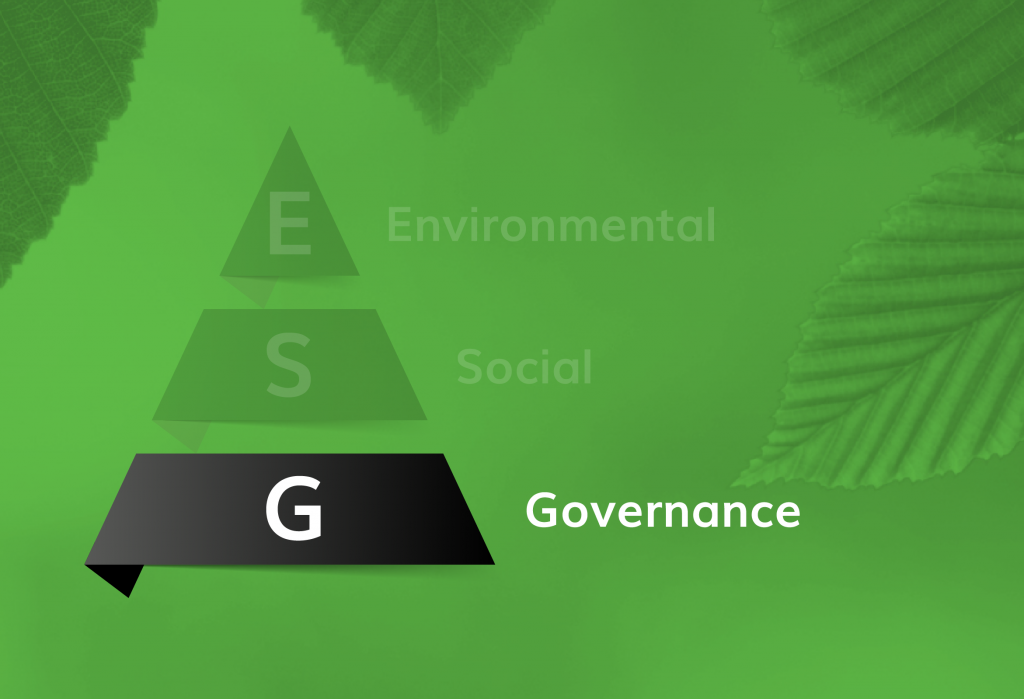
Last but not least, we have Governance. This is the core focus on transparency, accountability, and business ethics. Implementing these criteria enhances the company’s reputation and builds trust between the company and its partners as well as between the company and consumers.
Transparent ESG Reporting
An ESG report will include detailed information on resource usage, labor policies, financial reports, and the contributions the business makes to the community. This information must be disclosed fully and transparently to shareholders and stakeholders. Additionally, the ESG report must undergo review and verification by government agencies to ensure the accuracy of the information.
Anti-Bribery and Anti-Corruption
It can be said that, within the context of ESG, anti-bribery and anti-corruption are among the most critical criteria that a company must ensure compliance with. To effectively address this, companies should establish internal policies to monitor and strictly prevent acts of bribery and corruption. Through these measures, companies can also effectively protect their own reputation and credibility.
Diversity and Inclusion on the Board of Directors
ESG encourages businesses to maintain a board of directors that is diverse in terms of gender, background, and professional experience among its members. This helps businesses develop a more comprehensive strategic vision and ensures objectivity whenever making any decisions.
Legal Compliance and Social Responsibility
Of course, legal compliance is a “prerequisite” for a business to engage in ESG. However, in addition to fully complying with legal regulations to minimize legal risks, a business must also uphold business ethics as a way to fulfill its obligations and responsibilities toward society. This can be demonstrated through actions such as establishing risk management policies and consistently prioritizing the protection of shareholders’ interests or those of stakeholders like partners and employees.
Conclusion
With its three core pillars, ESG has established a solid foundation for businesses to follow and adhere to, enabling them to grow increasingly stronger on the path to sustainability. ESG not only helps businesses conserve resources, energy, and operate efficiently but also brings numerous benefits to people, society, and the environment by promoting this development trend.