
The ESG framework serves as an essential guide for modern businesses pursuing a sustainable path worldwide. And naturally, given its global influence, ESG is also a significant factor across all business sectors, including the sustainable tourism market.
An Overview of ESG
ESG is essentially a set of international sustainability standards published in 2004 by the United Nations. The acronym stands for Environmental, Social, and Governance—the three core pillars that enable ESG to measure a company’s sustainability and accountability.
- Environmental: Assesses business operations related to the environment through initiatives such as pollution reduction, carbon footprint reduction, and energy conservation.
- Social: Ensures workers’ rights and fulfills the company’s responsibilities toward the community and society.
- Governance: This standard focuses on evaluating corporate governance factors, including transparency in management, business ethics, and decision-making processes within the company.
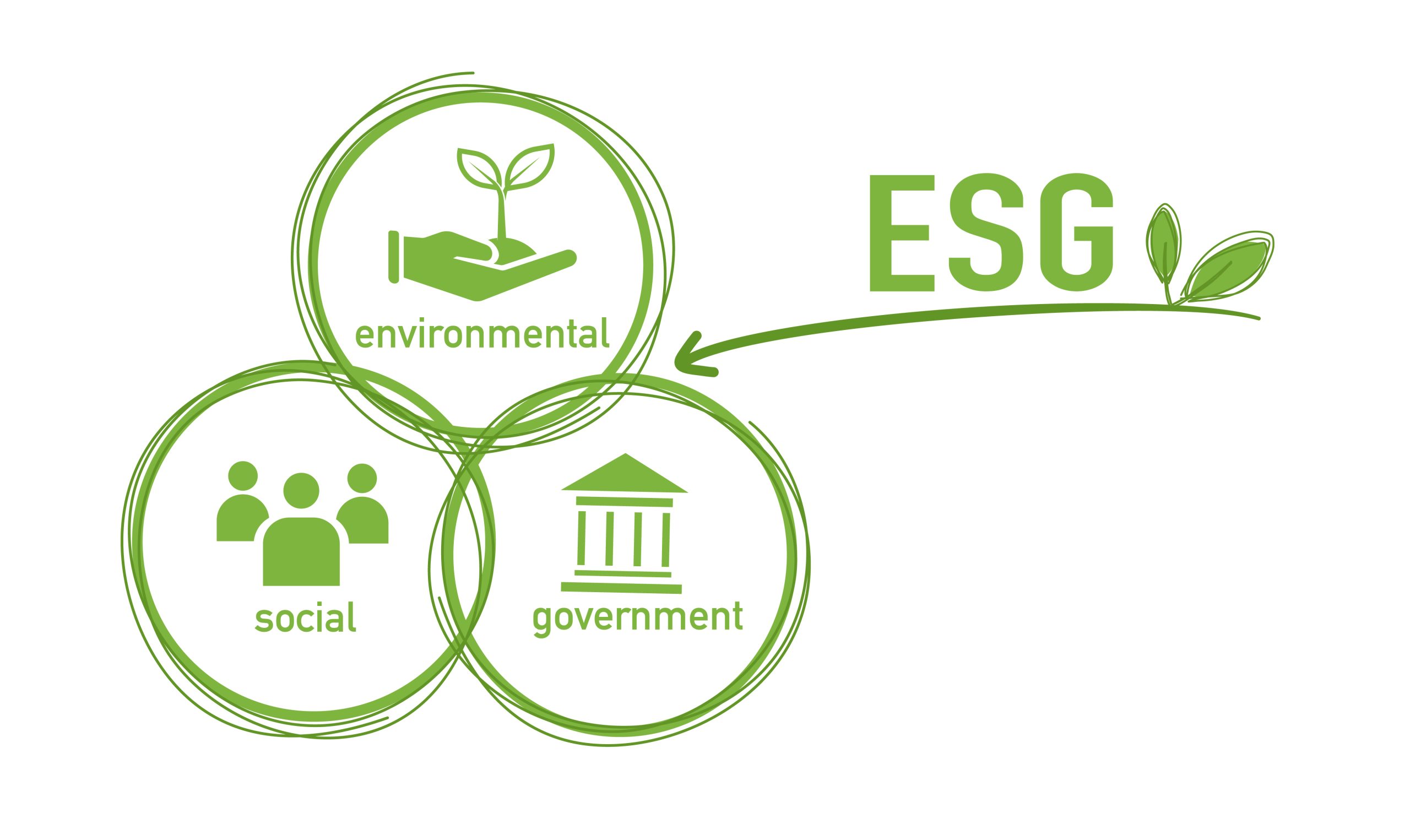
Through strict and transparent criteria, ESG encourages businesses to fully comply with legal regulations regarding rights, obligations, and business ethics while minimizing their impact on the ecological environment.
However, these efforts also bring significant benefits to businesses, as they gain the trust of partners and customers through enhanced credibility in the international market, while also reducing operational costs through the rational use of sustainable resources.
The Relationship Between ESG and the Sustainable Tourism Market
Tourism is one of the business sectors that contributes significantly to the global economy. However, it is also a sector that has a significant negative impact on the environment, accounting for 8% of global CO₂ emissions from transportation, energy consumption, hotels, and waste. Fortunately, with the support of ESG, this alarming situation has shown some improvement in recent years.
These standards, along with their rigorous evaluation criteria, have helped businesses clearly define their responsibilities, identify development opportunities, and mitigate environmental and resource-related risks. As a result, businesses can reduce operational costs, focus on improving product quality, and enhance their reputation.
Additionally, ESG encourages businesses to ensure local communities benefit fairly through activities that promote cultural identity to tourists. This, in turn, creates a diverse range of options for tourists, attracting more potential customers for businesses.
The three main pillars of ESG applied to sustainable tourism
Depending on the business sector, ESG standards may vary accordingly. However, these standards always revolve around the three core pillars: Environment, Social, and Governance. And, of course, the sustainable tourism market is no exception.
Environmental
The environment can be considered the most important pillar within the ESG framework. Businesses participating in ESG must ensure they minimize their impact on the ecological environment. In tourism, this is demonstrated through replacing single-use plastic items with recycled or eco-friendly materials, organizing reforestation initiatives, and using low-emission transportation and household appliances.
Social
Sustainable tourism differs from conventional tourism in that it always encourages businesses to create value for society. ESG encourages businesses to hire local employees, use handmade products, and promote ethnic cultural identity through experiential activities. At the same time, businesses must respect and preserve local culture.
Governance
Beyond protecting workers’ rights or minimizing impacts on the ecological environment, ESG also requires businesses to operate transparently, conduct business responsibly and ethically. This means businesses should clearly disclose costs and processes while ensuring tourists receive necessary benefits and are protected under legal regulations.
What does ESG offer sustainable tourism businesses?

ESG does not directly generate massive profits for businesses through its criteria. However, this set of standards offers businesses an opportunity for long-term sustainable tourism development, enabling them to:
- Reduce operational costs by using natural resources reasonably and efficiently, or by switching to recycled and renewable resources.
- Attract domestic and international tourists through unique local cultural experiences while ensuring environmental protection.
- Join the international ESG network, creating opportunities to expand relationships with major organizations and companies worldwide.
Conclusion
Sustainable tourism represents a new, long-term, and more stable path for tourism businesses in the current context of climate change and resource depletion. And to make that path more accessible, ESG will undoubtedly be an excellent partner.