
Along with robust economic growth, the demand for beauty and fashion is rising higher than ever before. Hundreds of millions of new garments are produced each month, generating enormous profits for businesses. But going hand in hand with this is the production of countless metric tons of waste each year. The Fashion Fact was created precisely to curb this situation.
Fast Fashion and Its Enormous Consequences
As early as the 1990s, the fashion wave surged globally as major clothing brands like Zara, H&M, GAP, and others began rolling out new collections continuously, laying the foundation for “Fast Fashion.” However, starting in 2010, Fast Fashion exploded even further thanks to e-commerce. A slew of new fashion brands emerged, releasing new designs almost every week—or even every day.
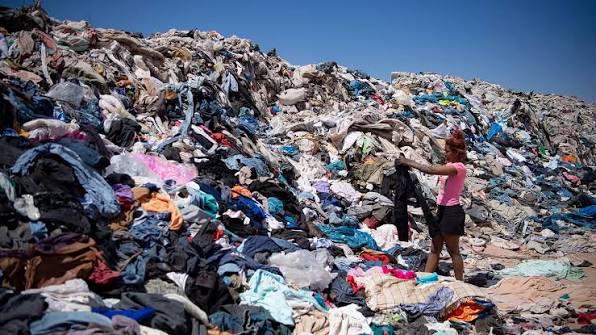
This staggering pace has not only shortened the “lifespan” of clothing but also increased the amount of waste and greenhouse gas emissions from the textile industry released into the environment. As of 2019, the fashion industry had become the world’s second-largest consumer of water and accounted for as much as 10% of global greenhouse gas emissions.
The Shift Toward Sustainable Fashion
The staggering volume of waste and emissions has forced fashion companies and brands to find urgent solutions. The concept of sustainable fashion has gained increasing attention because it not only minimizes negative impacts on ecosystems but also enables businesses to make more efficient use of natural resources and existing materials rather than extracting new ones.
Initiatives and charters promoting sustainable fashion are emerging in greater numbers. However, while they have brought about significant improvements, because they are implemented individually and on a voluntary basis, progress remains relatively slow when compared to the daily volume of fashion waste.
The Birth of The Fashion Fact
Recognizing the shortcomings of fragmented sustainable fashion policies, the need for a unified alliance among businesses has gradually grown stronger. And as the consequences of climate change became clearer than ever, French President Emmanuel Macron called on fashion industry leaders to join forces. In 2019, The Fashion Fact was officially launched at the G7 Summit in Biarritz, founded by François-Henri Pinault and Paul Polman.
Powerfully “Globalizing” Sustainable Fashion
Today, The Fashion Pact is regarded as a major agreement, representing one-third of the global fashion industry. It includes 50 CEOs representing over 150 renowned brands—such as Chanel, Hermès, Nike, and the iconic fashion house Karl Lagerfeld—which account for one-third of the global fashion industry’s production volume.
Rather than stopping at mere marketing promises, The Fashion Pact sets science-based goals centered on three key pillars:
+ Combating Climate Change: Strengthening campaigns and initiatives to reduce greenhouse gas emissions to achieve Net-Zero by 2050. Improving supply chains and working toward replacing fossil fuels with 100% renewable energy.
+ Restoring biodiversity: Ensuring that the entire production supply chain does not cause any negative impacts on natural habitats. Through this, protecting ecosystems and wildlife.
+ Protecting the oceans: By 2030, The Fashion Fact aims to completely eliminate single-use plastic packaging while successfully minimizing negative impacts on global water resources.
In just a few years, The Fashion Fact has successfully driven a significant increase in the use of renewable energy. Nearly 69% of companies are meeting their emissions reduction targets, and 92% of brands have reduced—or even eliminated—single-use packaging throughout their supply chains.
Conclusion
With the participation of one-third of the fashion industry, The Fashion Fact represents a strong effort by the sector to mitigate the environmental impacts of waste and emissions. The goals set forth by the Pact are contributing daily to the development of a sustainable fashion industry.