Recently, the number of businesses and consumers concerned about environmental issues has been steadily increasing, leading to the rise of environmental sustainability certifications. Among these, ISO 14001—the International Standard for Environmental Management Systems—stands out.
Understanding ISO 14001 Certification
ISO 14001 is a management system established by the International Organization for Standardization (ISO) to help businesses minimize or completely eliminate the environmental impact of their production processes. This system provides businesses with a standardized framework to optimize their management practices for maximum efficiency and effectiveness. Currently, the latest version of the ISO 14001 certification is ISO 14001:2015.
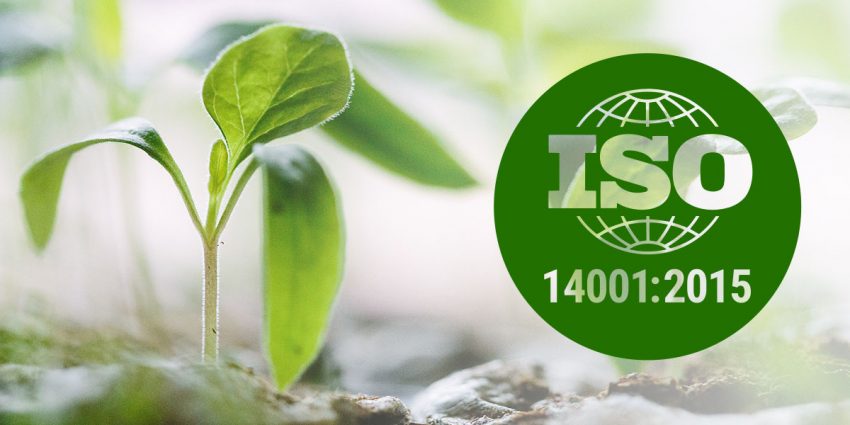
To ensure transparency in the evaluation process, this certification is issued by a completely independent third-party organization and is valid for only three years. After expiration, businesses wishing to renew must submit the same complete documentation and reports as during the initial application. Additionally, during the certification period, the business must conduct periodic audits under the supervision of the third-party organization. This is a mandatory requirement to ensure the business consistently maintains and upholds ISO standards. Failure to conduct periodic audits will result in the certification being revoked.
Scope of Certification
Since ISO 14001 focuses primarily on environmental issues, participation is not limited by any business sector or operational scale. Whether an organization or business has one or a thousand members, is a sole proprietorship or family-run, private or public, all are eligible to apply for this certification. In fact, in some countries, educational institutions, hospitals, and government agencies are also operating under the ISO 14001 standard to minimize negative impacts on the environment.
Why do businesses need ISO 14001 certification?
Although it involves strict regulations and criteria, ISO 14001 offers significant environmental benefits as well as business opportunities in the international market for companies, especially given the current emphasis on sustainable development. Let’s explore some of the benefits that ISO 14001 brings to businesses.
Integration & Market Access
Implementing the ISO 14001 standard provides businesses with a solid foundation to prepare for the WTO’s Green Round or expand into emerging markets. Additionally, this certification helps businesses enhance their reputation, credibility, and competitiveness when engaging with potential customers and partners.
Cost Savings
In reality, adapting management systems to meet environmental standards is not as costly as many businesses assume; on the contrary, ISO 14001 helps businesses save significant costs during production by promoting efficient energy use and switching to recycled or readily available materials instead of relying on new extraction methods. The standard helps businesses eliminate environmental risks from the outset, ensuring product quality while enhancing competitive strength in the race for profits.

Amid the depletion of fossil fuel resources, the shift toward using recycled or readily available materials—as encouraged by ISO 14001—will ensure the business’s sustainability in the future while reducing the burden of emissions associated with the extraction and processing of fossil fuels.
Conclusion
Our ecological environment is being damaged by the negative impacts caused by business and daily activities every second of every day. Therefore, every business or organization participating in ISO 14001 takes a crucial step toward a more sustainable future, where economic profits are balanced with environmental and social considerations.