
The environmental movement is perhaps more active than ever, as a flood of eco-friendly products and green companies and businesses have begun to emerge at a rapid pace, dominating a significant segment of the market. However, while offering consumers more green options, this trend has inadvertently led to negative consequences, the most notable being the phenomenon of greenwashing.
What is Greenwashing?
Greenwashing is a term introduced by environmentalist Jay Westerveld in the 1960s. At the time, the term was used to describe the practice of hotels making misleading environmental claims. But over time, especially following the 2015 Paris Climate Agreement, greenwashing has become more widespread and its definition has expanded to apply to products, services, brands, businesses, and organizations across various industries.

Today, greenwashing is no longer limited to making misleading environmental claims but also includes behaviors such as: exaggerating positive environmental impacts without concrete evidence, intentionally obscuring negative impacts on ecosystems by emphasizing sustainability through vague imagery, or selectively using data for communication, among others.
Forms of Greenwashing
Depending on the severity and nature of the behavior, greenwashing is categorized into various forms, including:
- Greenlighting: This term refers to businesses that excessively promote or exaggerate a green activity or impact, then use that inflated reputation to downplay or conceal the negative environmental impacts caused by the business or organization.
- Greenrinsing: Sustainable development is a steady process that improves standards and quality over time. However, greenrising companies completely contradict this definition. These companies set highly ambitious goals and make promising statements to attract customers and partners initially. Instead of striving to achieve what they’ve committed to, they frequently change or update those goals and statements into easier, less ambitious commitments without providing a valid reason.
- Greenshifting: As the name suggests, this term refers to businesses that shift environmental responsibilities or blame onto consumers and stakeholders related to their products or services.
- Greencrowding: Greencrowding businesses are those that join or affiliate with a green group or association and then use that group’s or association’s image to enhance their reputation in the eco-friendly and sustainable development sectors. However, these businesses make no notable contributions or very few, insignificant ones.
Why is greenwashing becoming increasingly widespread?
Despite the significant drawbacks—ranging from business risks and reputational damage to legal issues—many businesses still choose this marketing approach due to the massive profits and operational convenience it offers in production and distribution. For example, a company engaging in greenwashing does not actually need to reinvent itself or expend significant effort in changing fuel sources or technical machinery to address environmental issues, yet it can still easily attract a massive customer base.
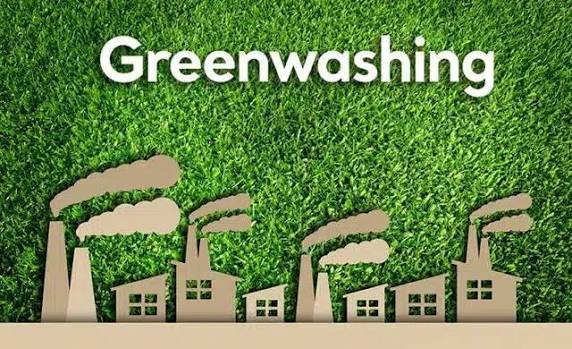
And unfortunately, the rapid boom of the current sustainable living trend has, to some extent, fueled the rise of greenwashing. Although not a new concept, green living and reputable green certifications remain relatively unfamiliar to most consumers worldwide. Furthermore, the proliferation of eco-friendly labeled products—which are easily accessible to consumers without undergoing rigorous environmental verification—creates a prime opportunity for greenwashing businesses to infiltrate and expand their operations.
Addressing the Greenwashing Problem
While consumers have more diverse choices as the sustainability trend gains momentum, they are also facing the issue of greenwashing and the risk of being deceived by unclear, non-transparent claims and data. To address this issue, we must first tighten scrutiny of businesses’ environmental advertising. This will better protect consumers while also promoting the growth of truly sustainable businesses and products.
In addition, we should promote accurate concepts regarding sustainability trends, green lifestyles, and internationally recognized certifications to raise consumer awareness. Only when reliable information becomes more accessible can the practice of exploiting consumers’ lack of knowledge for profit be put to an end.
Conclusion
Greenwashing is no longer merely a profit-driven marketing tactic; it also has significant negative impacts on both consumers and the environment, as well as the future development of the sustainability movement. Therefore, to protect ourselves and the ecosystem, let’s work together to combat greenwashing and promote a truly eco-friendly lifestyle.