
Faced with rising levels of cosmetics waste and the greenhouse effect becoming more severe each year, major players in the beauty industry—including skincare and cosmetics brands—have begun implementing environmental campaigns to minimize the negative impact of their production processes on the environment. And standing out among them is the EcoBeauty Score alliance.
The Demand for Green Cosmetics Has Become Urgent
Environmental issues have long been a pressing concern in society, but it wasn’t until the 2010s that the trend toward using green, eco-friendly products gradually gained traction among consumers worldwide. Thanks to the immense environmental benefits they offer, this trend exploded in popularity in a very short time.
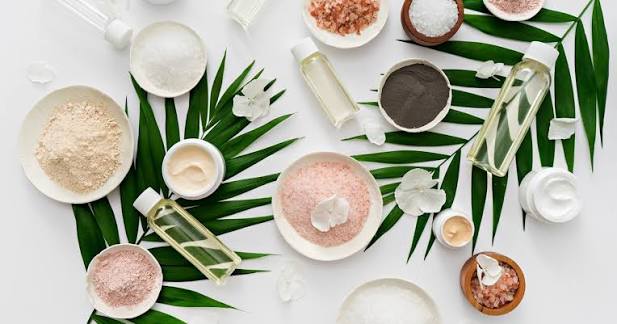
As of 2022, the percentage of global consumers seeking sustainable products has reached 42%. This demand spans nearly every market and business sector, including the beauty industry—such as skincare and cosmetics.
Working Together for the Environment and Consumers
Precisely because the demand for sustainable products is so high, the market for natural skincare and cosmetics has become a lucrative and highly promising sector. However, this has also inadvertently created opportunities for unscrupulous businesses to exploit the lack of uniform measurement standards, leading to information chaos and misleading consumers.
To curb this situation and protect consumers, skincare and cosmetics brands have recognized that establishing a sustainable system with unified evaluation criteria is absolutely essential. Instead of acting independently as they had in the past, major brands that have traditionally competed with one another—such as L’Oreal, Unilever, and Shiseido—joined forces to establish a nonprofit alliance called the EcoBeauty Score Consortium in 2022. At that time, the alliance comprised 36 major cosmetics corporations and associations from around the world, along with two strategic operational partners:
- Quantis: A leading consulting firm tasked with serving as the core technical expert. Quantis’s primary mission revolves around developing the Life Cycle Assessment (LCA) methodology for evaluating products.
- Capgemini Invent & Mayer Brown: These firms are responsible for coordinating operations, designing the system’s governance structure, and ensuring legal compliance. Thanks to the company’s oversight, data security will be enhanced while minimizing the risk of anti-competitive behavior among members.
How does EcoBeauty Score work?
As mentioned, EcoBeauty Score operates based on the Life Cycle Assessment (LCA) methodology. This means that a product’s environmental footprint is assessed across six stages:
- Raw material extraction
- Raw material processing and packaging production
- Manufacturing at the factory
- Distribution and warehousing
- Impact during consumer use
- Post-use disposal
Through these steps, EcoBeauty Score measures a product’s environmental impact and assigns a rating on a scale from A to E. Here, A represents the lowest environmental impact, and E represents the highest. Having a label with a clear rating scale helps consumers recognize, easily compare, and evaluate products from different brands.
However, since the EcoBeauty Score operates on an independent scoring platform, brands wishing to display the rating label on their packaging must still undergo a rigorous audit and verification process by a separate third-party organization.
Conclusion
Although it has only been in operation for a short time, as of 2026, EcoBeauty Score has successfully rated over 13,000 cosmetic products, including facial skincare, shampoos, conditioners, body care, body washes, and more. It is clear that the EcoBeauty Score alliance is promoting a sustainable future for green cosmetic products worldwide while effectively fulfilling its mission to protect consumers.