Along with the strong wave of green living with campaigns about the environment, animals, and ecosystems, the vegan trend is also receiving more attention than ever before. Nowadays, we can easily find products labeled vegan everywhere. But do you really understand veganism and this certification? Let’s find out.
The Vegan Trend in Daily Life
The vegan trend, also known as plant-based, has been a prominent trend worldwide in recent years. When it comes to veganism, consumers prioritize choosing products that do not contain animal ingredients, are not tested on animals, and last but not least, are environmentally friendly.
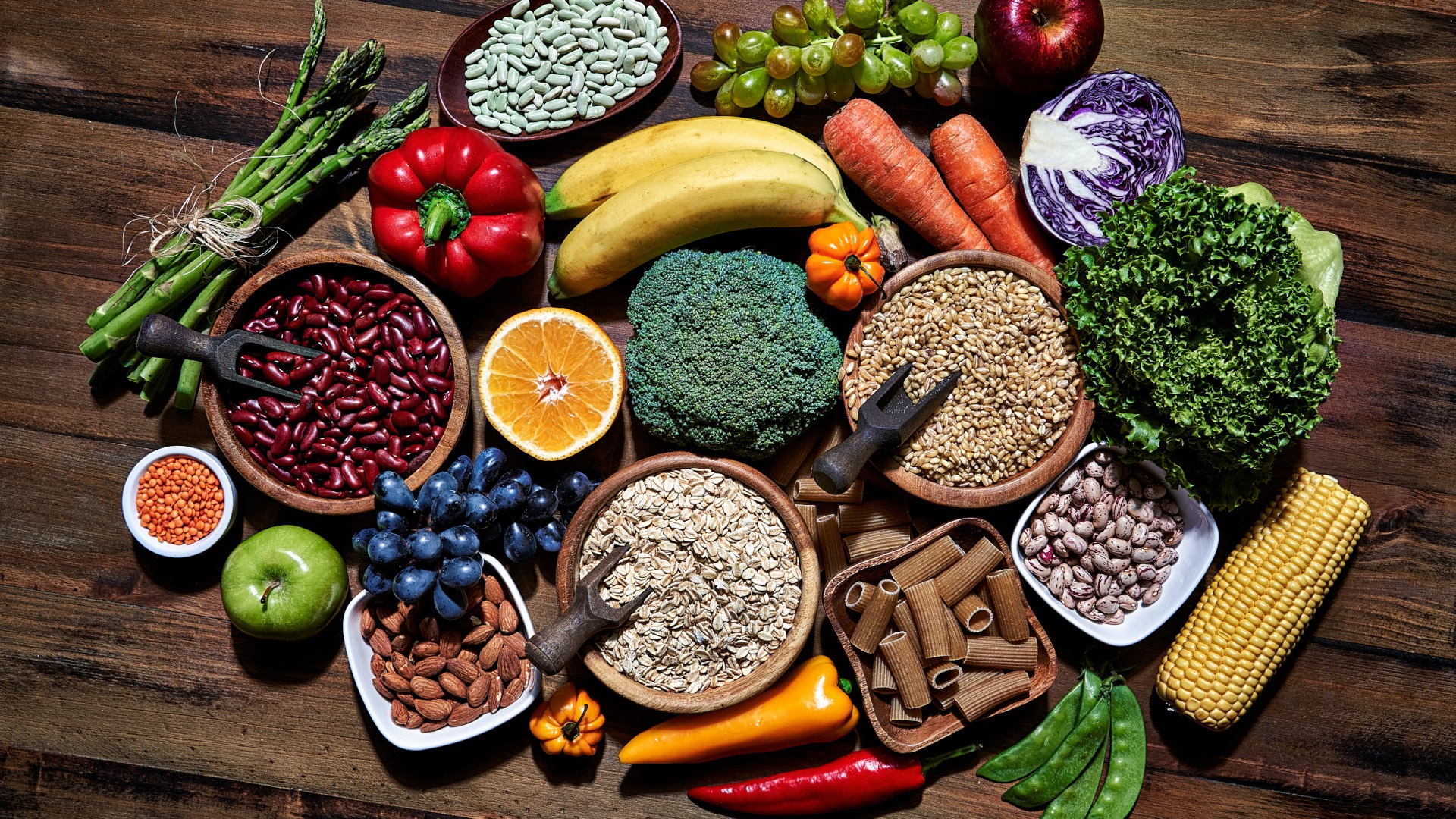
This trend isn’t limited to the food industry; it’s also applied to the production of other essential daily goods, ranging from cosmetics to everyday clothing. It’s safe to say that veganism is prominent in most major and minor business markets.
Understanding vegan certification
To meet consumer demand for vegan products, vegan certifications have been established. These certifications are typically issued by reputable global organizations to confirm that products are not made from animal-derived ingredients, are not tested on animals throughout the entire production process, and are not sold in ways that involve animal exploitation.
Gradually, vegan certification has become an important international standard for certain business markets, such as food, cosmetics, and fashion. This certification itself is a necessary ticket to help products establish their position with consumers in major international markets.
Differences among vegan certifications
In reality, veganism is not limited to avoiding animal meat but also encompasses ethical and ecological aspects. For this reason, there are different types of vegan certifications. Depending on consumer needs, we seek out products with appropriate vegan certifications. But how can we distinguish between them? It’s simple: just remember the three main categories of vegan certification, which are:
Cruelty-free
As the name suggests, this certification is for products that do not undergo animal testing. Neither the overall product nor its individual ingredients undergo any animal-related experiments. While this does not mean the final product cannot contain animal by-products, it remains a strong ethical commitment and contributes to animal welfare.
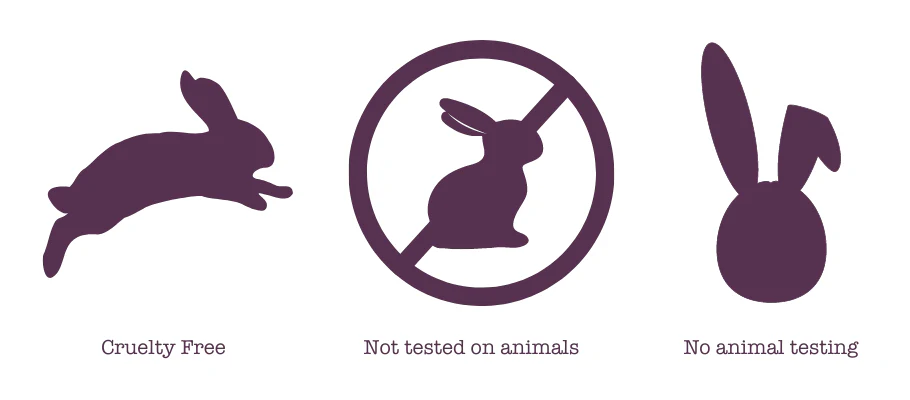
No animal-derived ingredients
This term is often applied to health care products such as medicines or functional foods. Therefore, while ensuring that the product does not contain any ingredients or substances of animal origin, it does not exclude the use of animal testing in the research and development process.
Vegan
Veganism, in a way, has a broader and more idealistic meaning than the two categories mentioned above. Essentially, veganism aims to limit or completely eliminate (if possible) the exploitation and mistreatment of animals for products. In addition, veganism also aims to promote the development and use of products that are not derived from animals. In this way, users of vegan products contribute to protecting not only the interests of animals, but also those of humans and the surrounding ecological environment.
In the culinary field, a pure vegan product is expected to fully meet the above requirements. This product must not contain any animal parts and must not be tested on animals, and it must be completely environmentally friendly.
Conclusion
Veganism is a trend and an ideal lifestyle for those who love animals and want to be environmentally conscious. However, vegan certification has many classifications, and you may not always choose the right product for your needs. Therefore, we hope this article can help you better understand veganism and easily find products that suit your needs.