
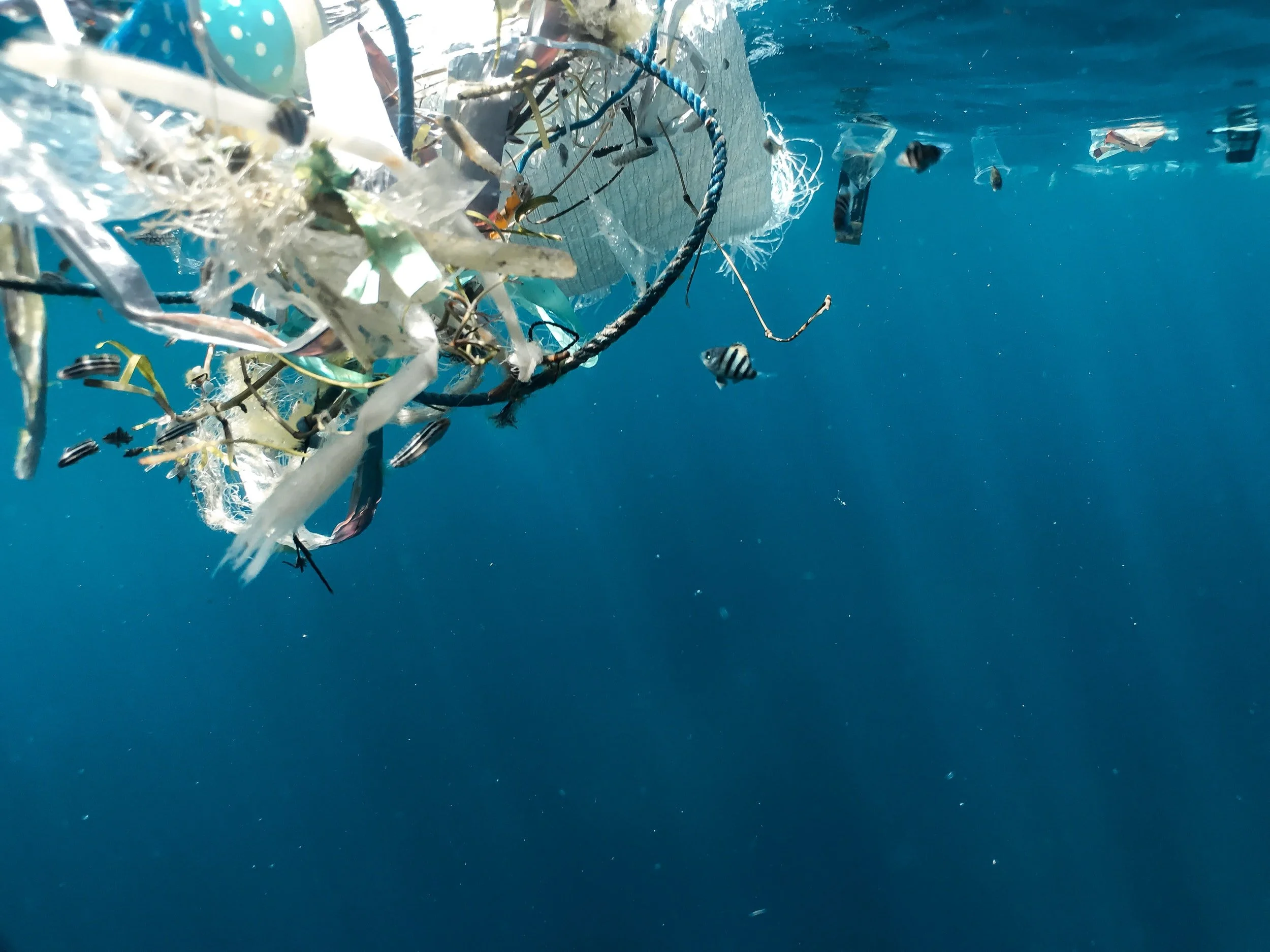
Similar to land-based waste, ocean plastic has become a critical issue that needs to be addressed over the past few decades. More and more articles, news reports, and even studies on the discovery of microplastics in marine life and how plastic affects the ocean are appearing everywhere. So, how can we limit or prevent this situation? First, we need to delve deeper into ocean-bound plastic, the type of plastic that accounts for a large proportion of waste in the ocean.
Exploring ocean-bound plastic
In fact, 80% of the waste currently found in the ocean comes from ocean plastic, also known as ocean-bound plastic (OBP). This is the collective name for plastic waste abandoned within 50km of the coastline. This plastic waste includes both recyclable and non-recyclable plastics, divided into four main groups:
- Potential OBP: waste within 50 km that has not been processed.
- Waterways OBP: waste located 50 m from rivers or within rivers and streams.
- Shoreline OBP: waste located 200 m from the coast.
- Fishing material OBP: used nets, fishing lines, and traps.
This type of plastic is not only waste that we throw into the sea, but also includes land-based waste that will drift into the ocean in the future. Of course, most ocean-bound plastic comes from countries with coastlines. However, producing or consuming more plastic does not necessarily mean generating more waste.
According to research statistics, Asia accounts for a large proportion of ocean-bound waste worldwide. This is because countries in this region often experience heavy rainfall throughout the year, coupled with underdeveloped waste treatment systems. Plastic waste left near the coast is easily washed out to sea during floods.
Several factors contribute to the build-up of ocean-bound plastic waste
Lack of waste collection systems
Some areas lack clear waste collection systems, leading to waste piling up on roads and vacant lots. However, in some cases, waste is also thrown directly into rivers and streams.
Ineffective waste collection systems
Waste collection systems are considered ineffective when collection occurs but is not frequent. This also leads to the formation of waste piles due to untimely processing. If located near rivers, streams, or the sea, this waste can be washed out to the ocean during heavy rains or storms.
Waste from fishing activities
In countries with strong fishing industries, used fishing gear often accounts for a portion of ocean-bound plastic. These include all tools related to fishing such as nets, buoys, ropes, fishing rods, etc. Additionally, plastic materials that fishermen collect during net deployment and bring ashore instead of discarding back into the sea are also considered discarded plastic waste classified as ocean-bound plastic.
Protecting the oceans from ocean-bound plastic
Since most of this plastic originates from neglect and poor waste management systems, it is crucial to collect this waste before it enters rivers and oceans. Additionally, we must encourage people not to pile waste too close to the coast while gradually improving waste management systems.
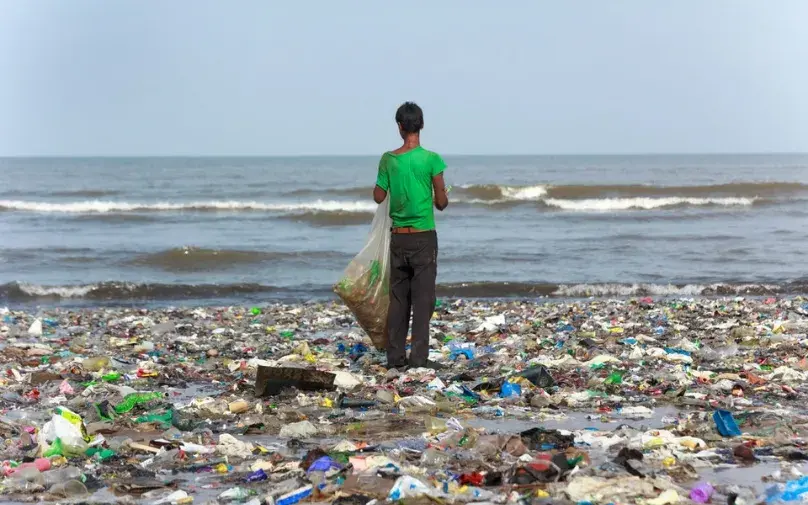
At the same time, collecting ocean-bound plastic also has its own economic benefits because we can recycle this plastic into materials to create useful commercial products for everyday life. Of course, the process of collecting waste and recycling ocean plastic will require a new labor force, contributing to job creation for local coastal communities.
Conclusion
Ocean-bound plastic is a major potential threat not only to the ocean and marine life but also to us. Therefore, collecting and recycling it is being promoted more and more through environmental protection programs. In this way, we can create new products from recycled ocean-bound materials while reducing the amount of plastic waste and microplastics entering the vast oceans.