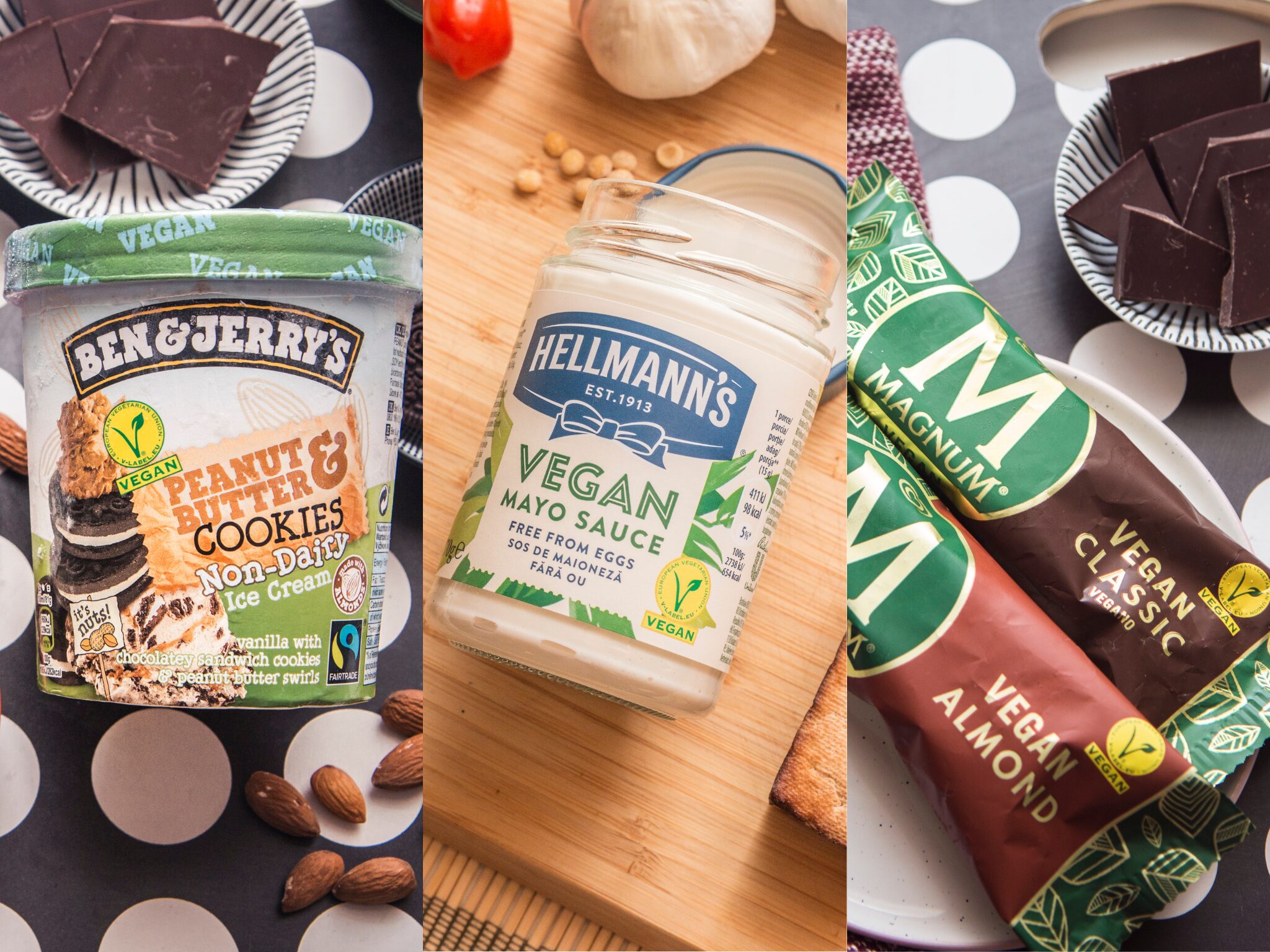
It may not be the oldest vegan certification in the world, but when it comes to vegan product certification, V-Label is definitely among the global leaders. So, what is it about V-Label that makes it so trusted by consumers? And how did this certification become the goal of so many vegan businesses and manufacturers? Let’s find out.
Discover V-Label
Creating a logo certification specifically for vegan and vegetarian products and services has always been an attractive idea, and was even designed by the Italian Vegetarian Association in the 1970s. However, it wasn’t until 1996 that this idea was “realized” and implemented in Switzerland by the European Vegetarian Union (EVU).
Since then, over 70,000 products from approximately 4,800 global businesses have obtained V-Label certification. This makes the V-Label a prominent “green and clean” symbol that helps vegan or vegetarian consumers in over 70 countries easily find products that meet their needs.
V-Label product segmentation
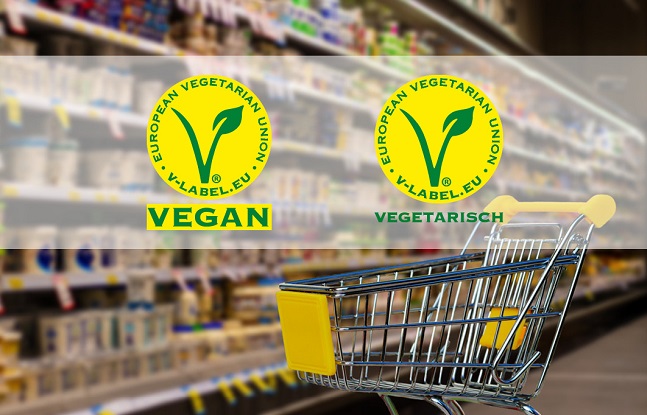
Based on different consumer requirements, the V-Label is divided into two prominent segments, including:
Vegetarian
- These products primarily belong to the food and beverage segment and are defined as follows:
- Do not contain animal meat or products derived from animal bodies (gelatin from bones, fat, blood)
- Foods may contain milk or dairy products, eggs or egg products, honey or honey products, etc.
- No live animals or slaughter-derived products are used throughout the entire research, production, and manufacturing process.
Vegan
- As the name suggests, vegan products require a higher level of “purity” than vegetarian products. Vegan products must:
- Contain no animal meat or products extracted from animal bodies (gelatin from bones, fat, blood) or animal-derived products such as: milk or milk products, eggs or egg products, honey or honey products, etc.
- Not use animal additives, flavorings, or by-products in any stage of production, including processing.
V-Label Standards
Although divided into two groups, Vegetarian and Vegan, in general, products and services wishing to obtain V-Label certification must meet the following criteria:
- Ingredient control: Ingredients must undergo rigorous testing from raw materials to additives and processing aids to ensure that no animal-derived ingredients are present.
- No animal testing: Businesses and manufacturers are not allowed to test products or individual parts of products on animals.
- Cross-contamination control: For facilities processing vegan/vegetarian products that are also involved in processing non-vegan/non-vegetarian products, businesses and manufacturers must carefully sanitize equipment to control cross-contamination below 0.1%.
- No genetically modified organisms (GMOs)
Why is the V-Label important?
Ensuring well-being for animals, humans, and society
Every product bearing the V-Label certification fully meets strict criteria regarding the non-use of animal meat, no animal testing, and no harm to the environment. This certification serves as a guarantee of animal welfare, human health, and social and environmental benefits that businesses and manufacturers provide to consumers.
Market expansion
V-Label is recognized and widely used around the world. This means that a product with this certification can enter the multinational market without too many obstacles, as it has the perfect visa to make entering the global vegan/vegetarian market easier than ever.
Increased recognition and credibility
Since V-Label has been present in over 70 countries for more than two decades, it is not difficult for vegan/vegetarian consumers to place their trust in V-Label. This is precisely why it can help products and services that carry it gain credibility, especially in countries that value third-party certification.
Diverse sectors and products
Not limited to food, V-Label also provides certification for a wide range of other products. These include sectors such as cosmetics, household cleaning products, clothing, food services, etc. This allows businesses and manufacturers to easily enter the vegan/vegetarian market regardless of their products or services.
Conclusion
With the strong growth of vegan lifestyles, vegan products are also becoming increasingly popular around the world. However, consumers also need to be careful when choosing products to find what truly suits their desires. V-Label and other vegan certifications are the key to making this search easier than ever.