GOTS can be considered the leading certification in the global organic textile market today. Given its significant influence, it is no surprise that this certification imposes extremely stringent requirements on businesses wishing to register. So what are these requirements? Let’s find out in the following article.
Overview of GOTS certification
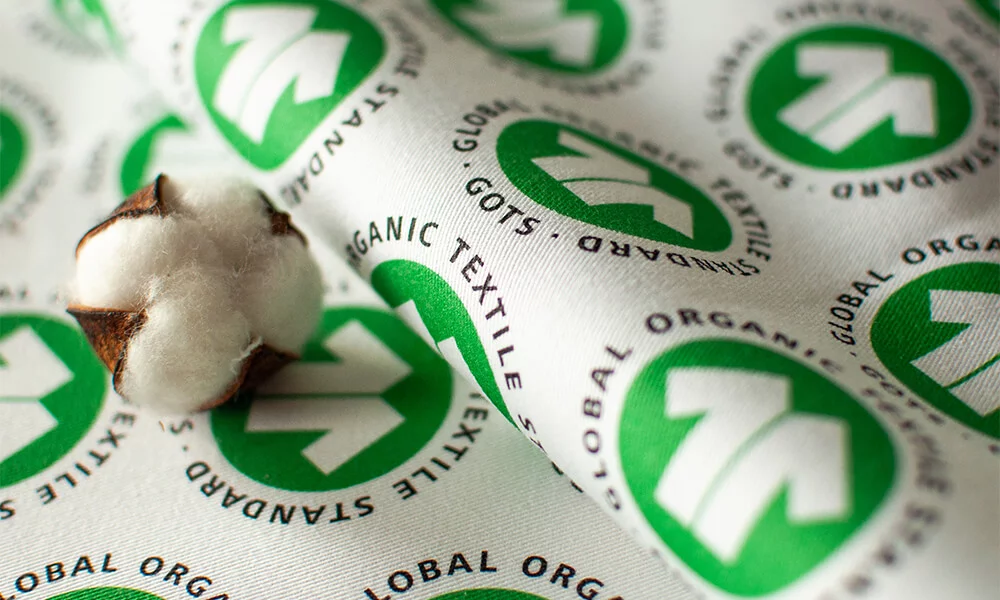
GOTS (Global Organic Textile Standard) is an organization established with the aim of setting standards for organic materials in the apparel industry, thereby promoting the development of sustainable fashion, protecting the environment, and safeguarding consumer health.
The ideas behind GOTS were first conceived in 2002, but it wasn’t until 2006 that the organization was officially established by four international non-governmental organizations. These organizations include the Organic Trade Association (OTA, USA), The Soil Association (UK), which are organic organizations specializing in food agriculture, and the Internationaler Verband der Natur Textilwirtschaft (IVN, Germany) and the Japan Organic Cotton Association (JOCA, Japan) in the textile and apparel sector.

With over two decades of development, GOTS has now become a major institution in the field of organic textile certification. The organization’s standards are currently internationally recognized and widely applied around the world by thousands of partner brands.
GOTS Requirements
As an international standard, GOTS has relatively strict and rigorous assessment requirements that products must meet to obtain certification. This assessment process is not limited to the finished product but spans all stages from extraction to final finishing. These requirements include:
Fiber Production
Raw materials for organic fibers must be cultivated according to international or national standards based on the organic farming standards set by IFOAM Organics International (International Federation of Organic Agriculture Movements). Farmers must ensure that they use natural fertilizers and pesticides instead of harmful chemicals in order to maintain soil health. At the same time, minimizing the use of harmful chemicals also brings many benefits to the environment and human health.
Processing and production
Organic fibers and conventional fibers must be clearly separated if mixed during collection and transportation. When dyeing fabrics, dyes, dyeing aids, and processing chemicals that have been evaluated for safety in terms of toxicity and biodegradability must be used. Azo dyes that release carcinogenic compounds must never be used.
In addition, toxic heavy metals, including heavy metals in weaving or dyeing oils, formaldehyde, aromatic solvents, genetically modified organisms (GMOs), and enzymes from these organisms are prohibited because they have the potential to cause toxins that are harmful to human health and the ecosystem. When bleaching fabric, use oxygen bleach instead of chlorine bleach, as oxygen bleach is considered more environmentally friendly and better at protecting fabric fibers and colors.
Health safety
As mentioned above, neither raw materials nor finished products should contain chemical residues, as these substances directly affect consumer health. For example, nickel, chromium, or PVC accessories can cause asthma and allergies, while formaldehyde can cause dizziness, nausea, and exhaustion.
Environmental standards
Businesses must conserve water resources as much as possible during production. In addition, wastewater must be treated at an operational treatment plant. And to prevent by-products from leaking into the environment, proper sludge treatment is a requirement that businesses must comply with.
Packaging and labeling
Packaging materials and printing processes must not contain any PVC or phthalates. In addition, paper or cardboard used in packaging must be recyclable or certified by relevant global agencies such as FSC or PEFC.
Quality of textile products
In addition to evaluating raw materials, environmental safety, and health, GOTS also requires finished products to have a certain degree of color fastness after undergoing washing and rubbing tests.
Social and humanitarian standards
Like other sustainability certifications, GOTS requires businesses to ensure safe working conditions for workers with wages that meet the minimum legal standards. The working environment must maintain fairness, be free from exploitation and discrimination, and, most importantly, not use child labor.
Conclusion
With its strict requirements, GOTS has established a set of standards that are not only international but also help strengthen the sustainability of the fashion market. In addition, these standards help businesses build credibility with consumers while helping both them and consumers protect the ecological environment and natural resources in the most optimal way.