
Approximately eight million tons of plastic waste are dumped into the ocean each year, and this number continues to grow annually.c
The concept of ocean-bound plastic
Ocean-bound plastic (OBP) or ocean waste is essentially a term used to refer to all waste discarded on land or in lakes and rivers within 50 km of the coast. Due to many reasons, such as poor treatment systems and improper collection, ocean-bound plastic is completely forgotten and piles up, only to be washed into the ocean by a heavy rain or flood. According to current estimates, ocean-bound plastic accounts for up to 80% of plastic waste in the ocean, including both recyclable and non-recyclable plastic waste.
The origin of ocean-bound materials
As ocean pollution becomes increasingly alarming, preventive measures are being widely promoted. Along with this comes the emergence of a new plastic material designed to reduce ocean-bound waste while helping to limit the exploitation of depleted fossil resources: ocean-bound materials.
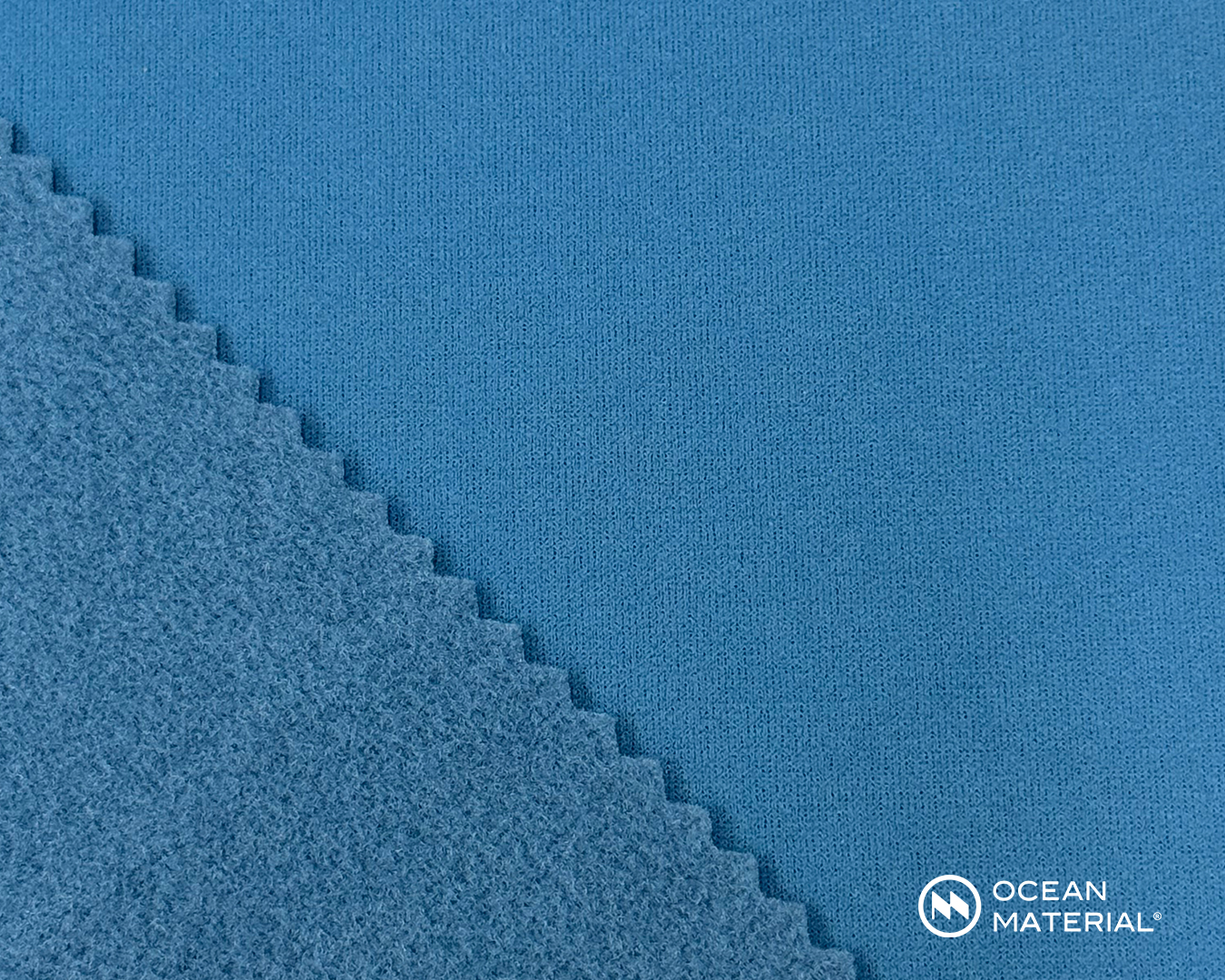
Ocean-bound materials originate from discarded ocean waste, specifically recyclable commercial waste. This waste is collected, processed, and recycled into various types of plastic pellets. Depending on demand, these pellets are then used to create new products that continue to serve our daily lives.
Why should we use products made from ocean-bound materials?
Solving ocean pollution
As mentioned, ocean-bound plastic accounts for up to 80% of ocean waste, so recycling it helps reduce ocean pollution. Through collection, we prevent waste from piling up and spilling into the sea after heavy rains or floods. This also helps maintain the ecological environment for thousands of marine species and coral reefs that are under threat.
Conserving fossil fuel resources
We face many environmental issues, and alongside these, we also have problems with fossil fuel resources as they are gradually being depleted due to excessive human demand. It takes thousands of years for these resources to regenerate, but even so, the extraction of fossil fuels causes significant environmental damage due to the high energy and labor requirements, as well as the production of greenhouse gases.
Therefore, using ocean-bound materials is a better option. As recycled materials, we only need to utilize what is already available and process them into new products. This helps conserve fossil resources and limits environmental pollution that occurs during new extraction.
Economic benefits for the community
In addition to environmental advantages, using ocean-bound materials also brings many benefits to the community economy. To produce ocean-bound materials, we need to collect and sort waste and then process the products. Each stage of this process requires a significant amount of manpower, so implementing ocean-bound material recycling also means providing additional jobs for local people.
In addition, some commercial enterprises and manufacturers organize the purchase of fishermen’s fishing equipment such as nets and fishing rods, as these items are easily discarded into the sea or become ocean-bound waste after being damaged. This activity helps raise people’s environmental awareness while supporting the community economy and effectively collecting recyclable waste.
Ocean-bound certification
So how can you tell if a product is made from ocean-bound materials? Most products sourced from this type of material have clear information on the packaging or in brand communications. In addition, ocean-bound also has specific certifications for business activities depending on their purpose and the type of ocean waste they collect. Specifically:
_ Ocean bound Plastic Neutral certification: for companies, businesses, and organizations that collect non-recyclable ocean plastic.
_ Ocean Bound Plastic certification: for companies, businesses, and organizations that collect recyclable ocean plastic.
_ Social + Ocean bound Plastic Certification: Focused on organizations aiming to benefit volunteers and waste collectors by providing comprehensive economic benefits.

Conclusion
With the goal of preventing ocean waste and cleaning up the seas, ocean-bound materials are becoming increasingly widespread and promoted for use globally. If you want to join the fight against ocean pollution, try using products made from ocean-bound materials.