Sustainable development is not only a priority in the hospitality or construction sectors. In fact, the textile industry has also set its own sustainable standards and goals to minimize the enormous amount of waste and environmental impact from clothing and footwear. And in this market, we have GOTS – one of the leading organizations in the sustainable fashion trend.
What is GOTS?
GOTS (Global Organic Textile Standard) is an organization with a relatively unique founding history, having been “sponsored” by four reputable non-governmental organizations in 2006. These four organizations are the Organic Trade Association (OTA, USA), The Soil Association (UK), which are organic organizations specializing in food agriculture, and the Internationaler Verband der Natur Textilwirtschaft (IVN, Germany) and the Japan Organic Cotton Association (JOCA, Japan), which are in the textile field.
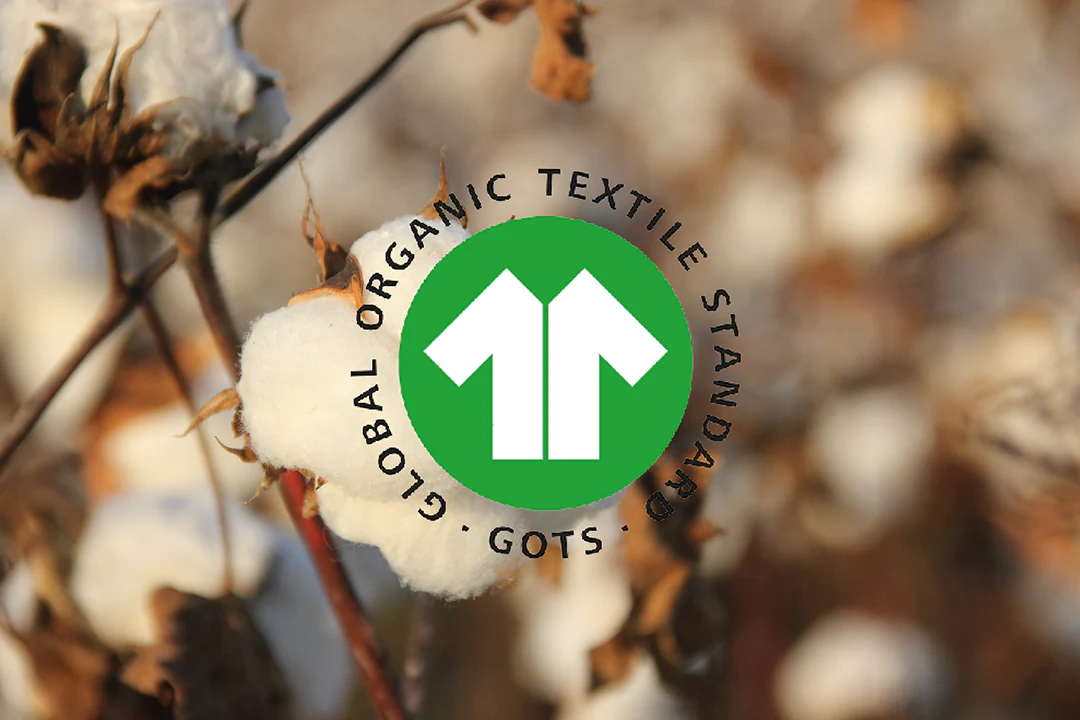
It is clear that GOTS was established primarily to promote organic materials in the textile industry. The experience of these four long-standing, reputable organizations helped them develop a separate certification system for organic textiles, creating the GOTS organization and the sustainable standards we see today.
GOTS Standards and Certification
GOTS standards are requirements developed based on input from experts and international organizations that GOTS sets for businesses wishing to apply for certification. This set of standards primarily focuses on environmental protection and human health. Currently, GOTS standards are widely recognized in the international market and can be applied to all countries and territories worldwide.
If a business can fully meet the strict standards set by GOTS, it will successfully obtain GOTS certification. This is proof that the business’s production process, from processing to distribution, uses organic farming methods, non-toxic dyes, and chemicals. All of the business’s production processes are environmentally friendly and completely safe for consumer health.
Mission and objectives
GOTS was established with the primary mission of creating an international standard for assessing and verifying the organic nature of global textile products. Through this standard, it aims to promote environmental protection and human health. To fulfill this mission comprehensively, GOTS has set the following key objectives:
- Ensuring transparency: As an independent third-party organization, GOTS ensures that the product evaluation process is always transparent and fair. Additionally, the organization monitors the entire process from harvesting to transportation to consumers, ensuring transparency and accountability to the environment and society.
- Protecting consumers: GOTS standards include strict requirements on limiting or prohibiting the use of harmful chemicals and ensuring the origin of raw materials.
- Society and the environment: Businesses are not only responsible for the ecosystem, but also for ensuring that the working environment for employees is safe and complies with legal regulations, guaranteeing fairness and adequate benefits.
- Promoting sustainable fashion: Encouraging members to develop the textile industry in a sustainable direction. Aiming for every process and every product to be eco-friendly, balancing profit and social responsibility.

After pursuing its mission, GOTS has now become one of the world’s leading non-profit organizations in the field of organic textile certification. It promotes sustainable fashion while prioritizing environmental protection, human health, and workers’ rights.
Conclusion
GOTS’ role is becoming increasingly important as we begin to pay attention to the negative environmental impacts caused by the amount of textile waste we generate. To help prevent this waste, join GOTS on its journey towards a more sustainable, environmentally friendly lifestyle. And when you use a GOTS-certified product, you are also supporting businesses that create favorable working conditions and environments for workers.