
Since its inception, AEN has been relentlessly striving to promote ecotourism across Asia. It was this non-profit, non-governmental organization that created the AESA standard – the ecotourism standard specifically for the Asian region that is recognized worldwide.
Learn about AESA
What is AESA? The AESA Standard (Asian Ecotourism Standard of Accommodations) originated from the ESAIS standard of the Japan Ecolodge Association. After this association dissolved at the end of 2017, the standard was transferred to AEN for management up to the present.
This set of standards includes international standards that accommodation facilities must meet, including balancing profit with social and environmental responsibility. In addition, AEN also uses AESA as a basis for evaluating and awarding prizes to accommodation facilities with best practices through annual periodic inspections.
Who is AESA applicable to?
The AEN organization’s standards are recommended for accommodation facilities of all sizes, from eco-resorts and nature-based resorts to homestays in the Asia-Pacific region. However, some AESA standards will naturally vary depending on the national context and geographical conditions.

AESA standard requirements
In 2019, AESA was recognized by the Global Sustainable Tourism Council as an international standard. This has elevated AESA’s reputation not only in the Asia-Pacific region but also on the global market. As a result, an increasing number of accommodation facilities are seeking to join AEN. However, to truly become an AEN member, accommodation facilities must meet strict conditions regarding:
- Sustainable management: Accommodation facilities need to have effective and economical management measures for energy and resources. This includes limiting the amount of single-use waste and food waste.
- Community impact: Creating favorable economic conditions for the local area and people by prioritizing the use of local products and organizing activities that explore local identity to promote development while preserving culture.
- Environmental protection: Encouraging the reduction of single-use plastics. Increasing the use of recycled or sustainable products to minimize the amount of waste released into the environment.
AESA Standard Systems
AESA establishes and operates two separate systems with the goal of facilitating participation for all types of businesses, including:
AESA Standard (for accommodation facilities) – Asian Ecotourism Standard for Accommodations
This system focuses on evaluating two standards: construction and operation. Accommodation facilities must use natural materials, ensure maximum energy efficiency, and have on-site wastewater treatment systems. Additionally, accommodation facilities must contribute to local economic activities and the conservation of surrounding ecosystems.
AECOS Standard (for services and tours) – Asian Ecotourism Certification for Operators and Services
As the name suggests, AECOS focuses on evaluating how tours are organized and operated, including important aspects such as:
- The impact of the tour on wildlife and the environment.
- Whether the exploration and experience activities provide knowledge about the environment and local customs and culture.
- Whether local human resources are used.
AEN Award System
Although somewhat strict, the AESA standards also come with an attractive award system. AEN enables the most outstanding accommodation facilities to maximize the marketing potential that AESA standards offer through the AEN International Ecotourism Awards system.
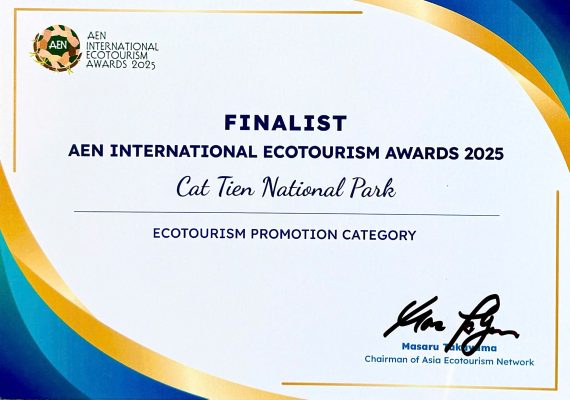
This award is globally recognized, known by many international tourists, and trusted even by the most discerning travelers and businesses. Therefore, beyond just a standard wall certificate, the AEN award system enables outstanding accommodation facilities to access the international ecotourism market more easily than ever before.
Conclusion
The AEN organization and its AESA standards serve as a compass for eco-friendly services and accommodations in Asia on the path to sustainable development. This represents a more solid direction for the future of the tourism market while ensuring the protection of ecosystems and preserving the proud cultural identity of Asia.