Ecolabels are one of the most prominent types of certification when it comes to eco-friendly products and services. However, ecolabels themselves have many classifications with countless different certifications. So, how do you find the ecolabel that suits your needs? Let’s find out in the following article.
The concept of ecolabel
Ecolabel is a sticker on product packaging or services that acts as a form of certification for consumers to recognize that these products and services meet all environmental and health safety criteria. This helps them easily find what they want among countless other products and services.
Although it is a voluntary certification, to obtain the Ecolabel, businesses must meet many strict and rigorous requirements. More importantly, products and services must also meet these requirements throughout their entire lifecycle, from the time of production to when they become waste.
Ecolabel acts as a win-win approach: consumers find sustainable products and services without spending too much time researching, while businesses gain consumer trust, rewarding their efforts to minimize negative impacts.
What are the categories of ecolabel?
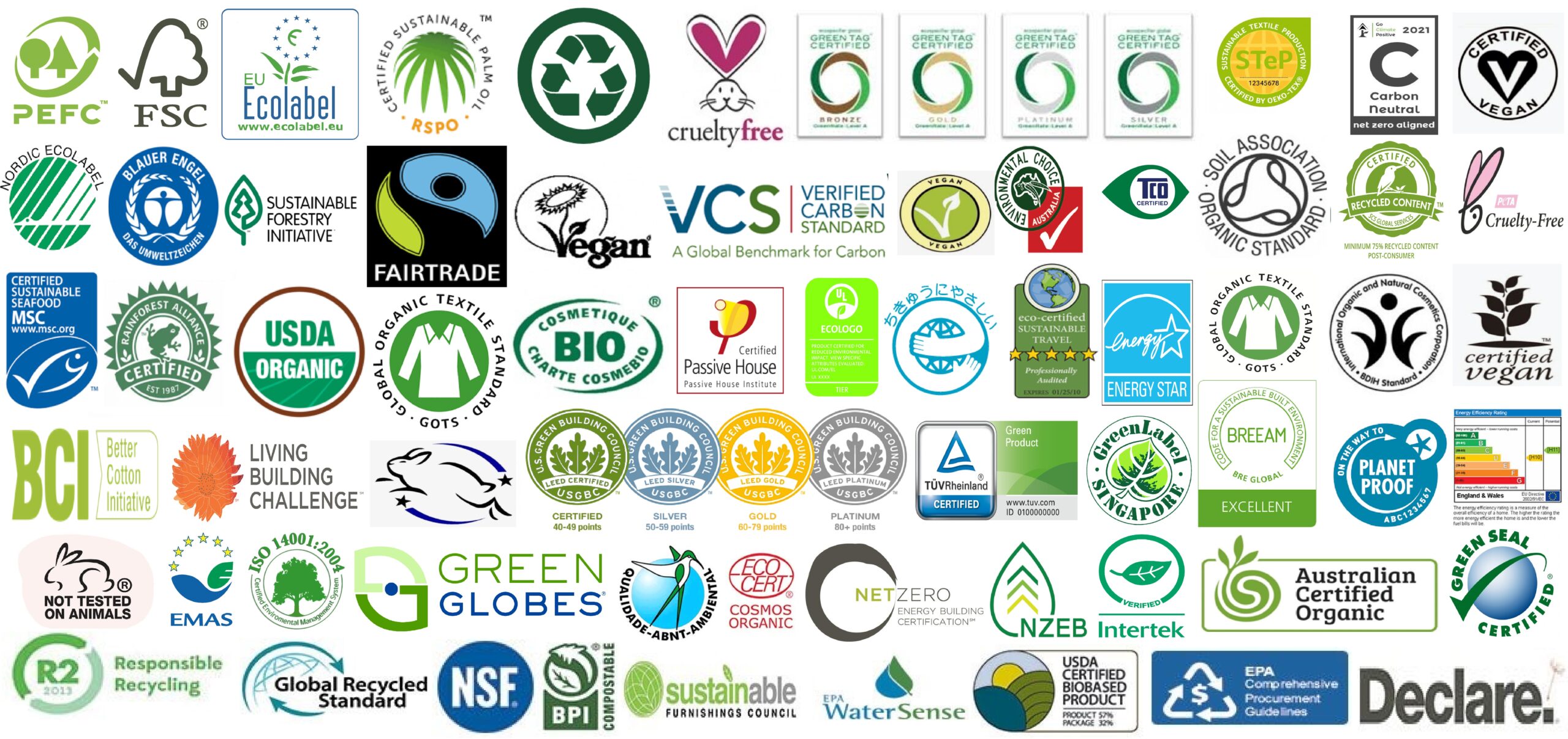
Following the development of green products and services, we have witnessed the emergence of numerous ecolabel certification organizations. However, all ecolabel certifications can be classified into the following three main groups:
Type I Ecolabel (ISO 14024)
This is a highly reliable type of ecolabel as it is issued by an independent third party. Type I ecolabels have specific criteria based on many aspects, including the environmental impact and consumer health of the product or service. Businesses will only receive ecolabel certification from an independent third party when and only when their products or services meet these criteria.
Type II Ecolabel (ISO 14021)
This type of label is also known as a self-declared label because it is purely a voluntary environmental declaration made by the company that manufactures the product or service. Most Type II ecolabels do not undergo third-party verification and typically focus on certain criteria related to the eco-friendliness of the product, such as: recyclability, biodegradability, energy efficiency, etc. Therefore, this type of label requires consumers to examine products and services more carefully to avoid “greenwashing.”
Type III Ecolabel (ISO 14025)
Type III ecolabel is the most reliable and stringent of the three classifications because businesses must publicly report quantitative data on the environmental impact of their products and services throughout their entire lifecycle. This data must also undergo careful verification by an independent third party – EPD International.
With Type III ecolabels, consumers can easily search for and compare the environmental performance of products and services through publicly disclosed information from businesses. Of course, to achieve this certification, businesses need to have a high technical foundation and must conduct a thorough LCA study with third-party verification. Although this process incurs significant costs, it also elevates the business’s reputation and credibility to the highest level.
Target consumers
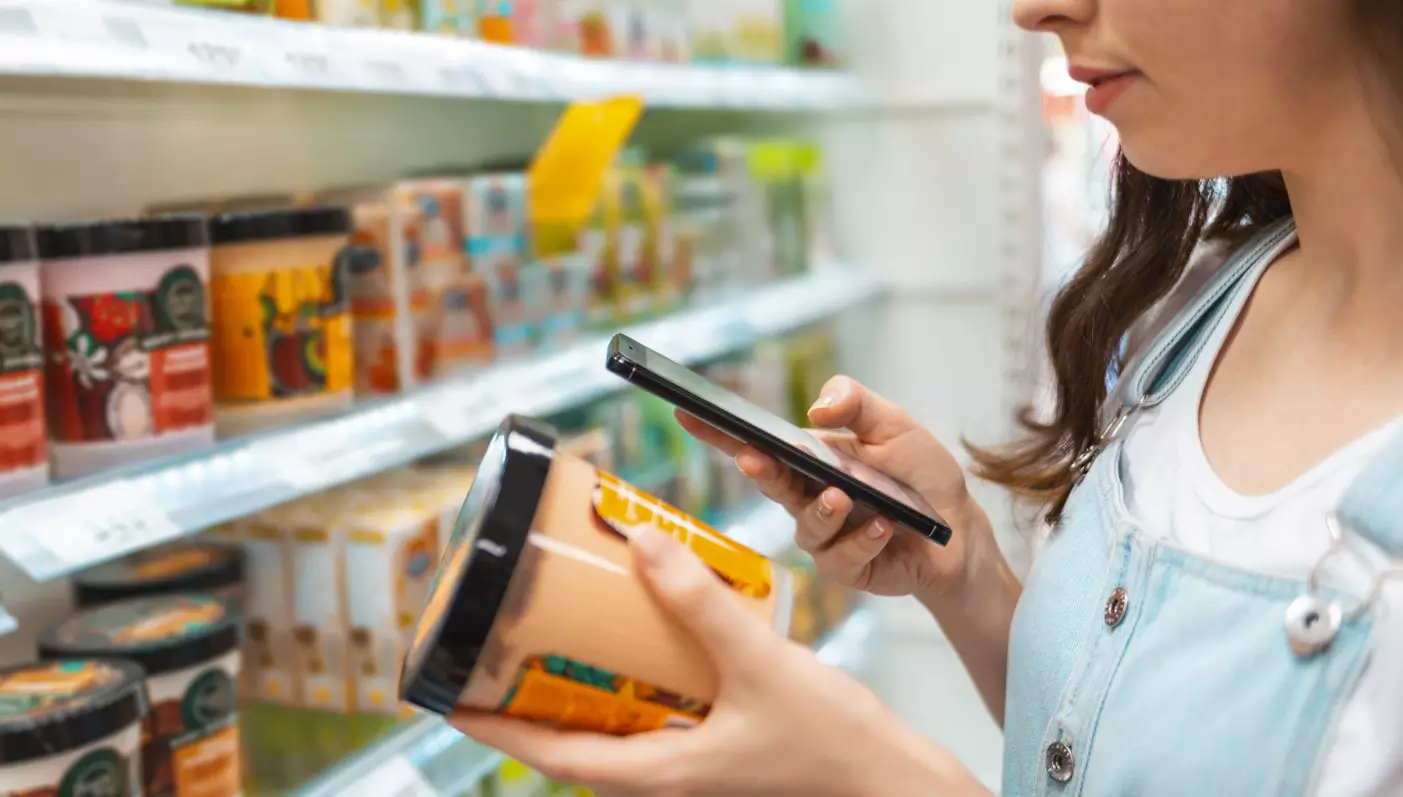
Although they are all ecolabels intended to certify that products and services fully meet sustainability criteria for the environment and human health, each type of ecolabel typically focuses on a specific target consumer group. Based on this, businesses or consumers can consider the type of eco-label that best suits their needs.
- Type I ecolabel: Because it must meet certain criteria and undergo evaluation and verification by an independent third party (non-profit organization/government), the Type I ecolabel has a high level of reliability, credibility, and transparency. In addition to consumers, some businesses and organizations still choose services and products with this certification. In other words, Type I ecolabels are suitable for both B2C and B2B audiences.
- Type II ecolabel: Unlike the other two classifications, the Type II ecolabel is mainly self-declared by the business producing the product or service without third-party verification, so its credibility is not very high. In other words, this ecolabel can usually only target B2C consumer customers.
- Type III ecolabel: To obtain this certification, businesses must provide EPD data throughout the entire product or service lifecycle and must also have verification from an independent third party (Verifier, Publisher). Therefore, this can be considered the most credible eco-label among the three classifications. Therefore, this ecolabel is not only aimed at B2C consumers but also extends to B2B businesses and, in particular, regulatory agencies, experts, and organizations with a global reach.
Conclusion
Understanding the different categories of ecolabel will make it easier for you to choose a product or service that truly meets your needs. Therefore, we hope this article can help you find the right ecolabel for your requirements.