Today, most businesses, large and small, are moving towards sustainable development with the goal of minimizing negative impacts on the environment while protecting human health. Leading the way in this strong growth of sustainable business is the contribution of Cradle to Cradle certification.
What is Cradle to Cradle?
Like most environmental programs and eco-friendly products, Cradle to Cradle (C2C) was created with the mission of building a sustainable lifestyle that does not impact the ecosystem. However, this certification does not just aim for conventional recycling but sets a higher goal: to completely eliminate “waste.”
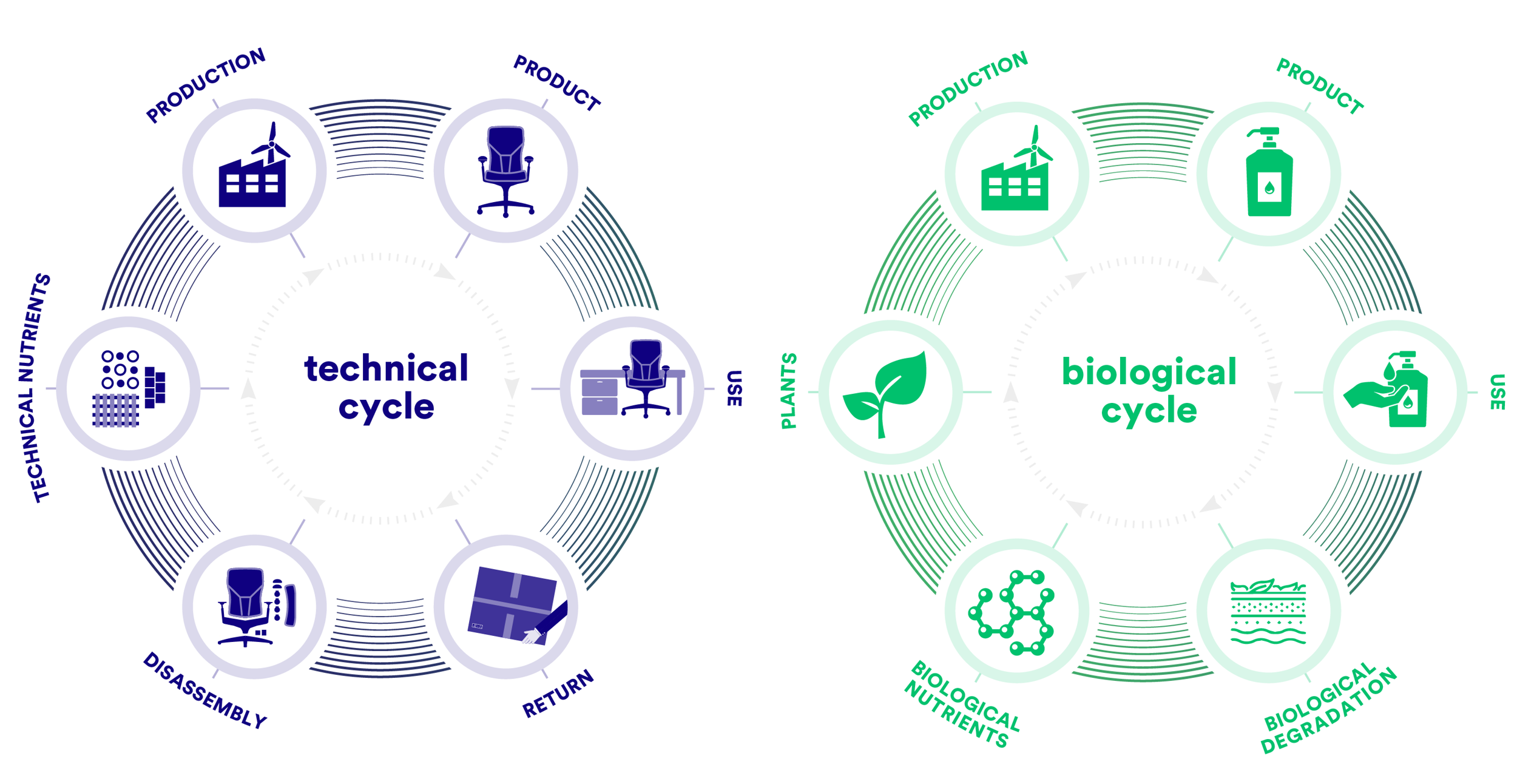
To achieve this, the two founders of the organization, architect William McDonough and chemist Michael Braungart, established sustainable design principles centered on the infinite reuse of materials to create a circular economy model. This eliminates non-recyclable products by focusing on the use of:
- Biological Nutrients: Organic materials that are biodegradable, becoming animal feed or plant fertilizer after the end of their production life cycle.
- Technical Nutrients: Inorganic/synthetic materials that can be continuously reused without compromising quality.
With its vision ahead of its time, Cradle to Cradle laid the foundation for sustainable development and eco-friendly lifestyles that protect the environment. Following the green trend, Cradle to Cradle has gained increasing attention, and in 2010, the Cradle to Cradle Product Innovation Institute (C2CPII) officially launched this certification system globally. Currently, this certification can be applied to a wide range of products and is partnered with major brands such as L’Oréal, Ralph Lauren Corp, and others.
How to obtain Cradle to Cradle certification
As one of the leading sustainable environmental certifications, this certification has strict standards that businesses must meet to obtain certification. Additionally, this certification has different levels depending on product quality.
Certification standards
Although there are many strict standards, Cradle to Cradle primarily evaluates the safety, circularity, environmental responsibility, and social responsibility of products based on five specific objectives:
- Physical health: The chemicals and materials used to make the product must ensure consumer health. This means that all toxic chemicals are prevented or minimized to avoid negative impacts on both humans and the ecological environment.
- Product circularity: Products must be designed to serve subsequent uses rather than simply becoming waste. Naturally, products must also demonstrate positive recyclability through a clearly defined recycling pathway.
- Clean air and climate protection: The production process must not only avoid negative impacts on the environment but also ensure positive effects on air quality while building and maintaining renewable energy sources.
- Water and land management: Production processes near river basins must ensure that land and water ecosystems are protected to sustain human and wildlife life in those areas.
- Social equity: In addition to environmental responsibility, businesses must also commit to social responsibility by adopting fair and equitable business practices and always fulfilling their legal obligations.
Certification Levels
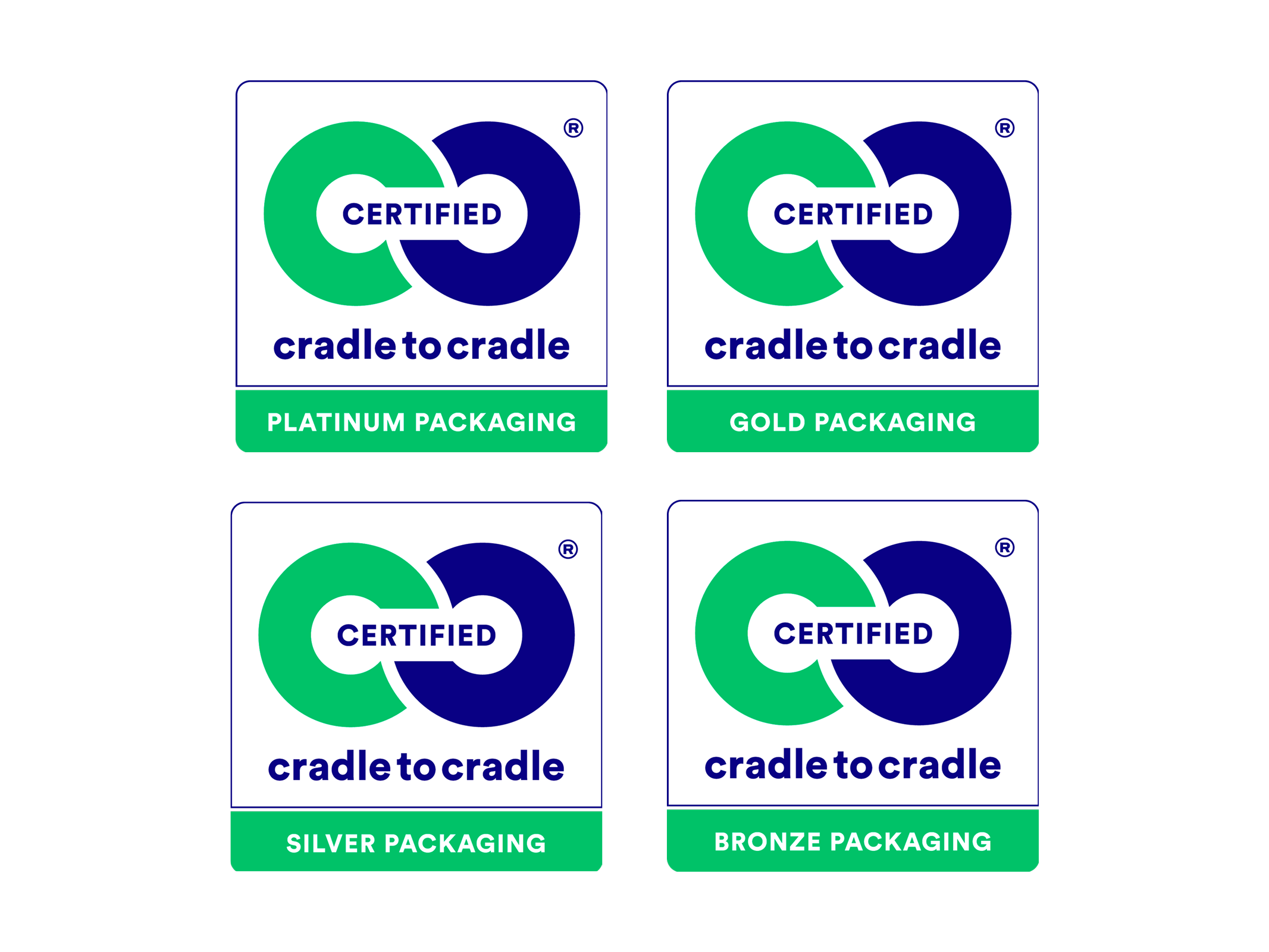
Cradle to Cradle classifies the sustainability and eco-friendliness of products through four main levels in ascending order: Bronze, Silver, Gold, and Platinum. Each level has minimum criteria, with difficulty increasing at each level.
- Bronze: Meets minimum requirements for health and safety.
- Silver: Meets standards for safety, recyclability, and waste management.
- Gold: This is a high-level certification level, requiring products to clearly demonstrate their environmental and social impact. This is reflected in the use of renewable resources in production.
- Platinum: The highest level of Cradle to Cradle. Products with this certification must excel in all criteria and commit to maintaining these standards long-term.
Benefits of Cradle to Cradle
Cradle to Cradle is a comprehensive certification because it benefits not only businesses but also consumers and the environment. For businesses, this certification serves as recognition for their efforts to build and maintain sustainable development. Through certification, a company’s products stand out, accurately reflecting their true value to consumers.
On the other hand, a product with this certification shows that it has undergone rigorous testing, allowing consumers to feel completely confident in their choice among countless other products. At the same time, using products that have been certified by this certification helps consumers contribute to environmental protection because these products help reduce waste and successfully protect natural resources.
Conclusion
Cradle to Cradle is undoubtedly a practical commitment by businesses to the environment and human health. Pursuing the standard means pursuing a sustainable development and circular economy model, creating eco-friendly products that are safe for consumers. Use products with this certification and join us on the path to sustainable development.