Although it entered the natural cosmetics market relatively late compared to other organic certification organizations, BDIH is still considered one of the most influential names, on par with both the Soil Association and Ecocert. So what makes BDIH so special? Let’s find out in the following article.
Learn About BDIH’s History
BDIH—the Association of Industrial and Commercial Enterprises—was founded in 1951 by manufacturers and distributors in the fields of over-the-counter pharmaceuticals, dietary supplements, diet foods, and personal care products. In its early stages, BDIH primarily focused on protecting the legal rights of its members while serving as a legal advisor and market guide.
However, as the trend toward natural products began to boom in Europe, leading to an unwanted “greenwashing” phenomenon, BDIH began collaborating with long-established natural cosmetics brands in Germany to create a set of quality standards aimed at combating the widespread “greenwashing” trend. Finally, in 2001, the world’s first independent certification system for organic cosmetics—BDIH Certified Natural Cosmetics—was officially launched, marking BDIH’s position in the international organic cosmetics market.
BDIH and COSMOS
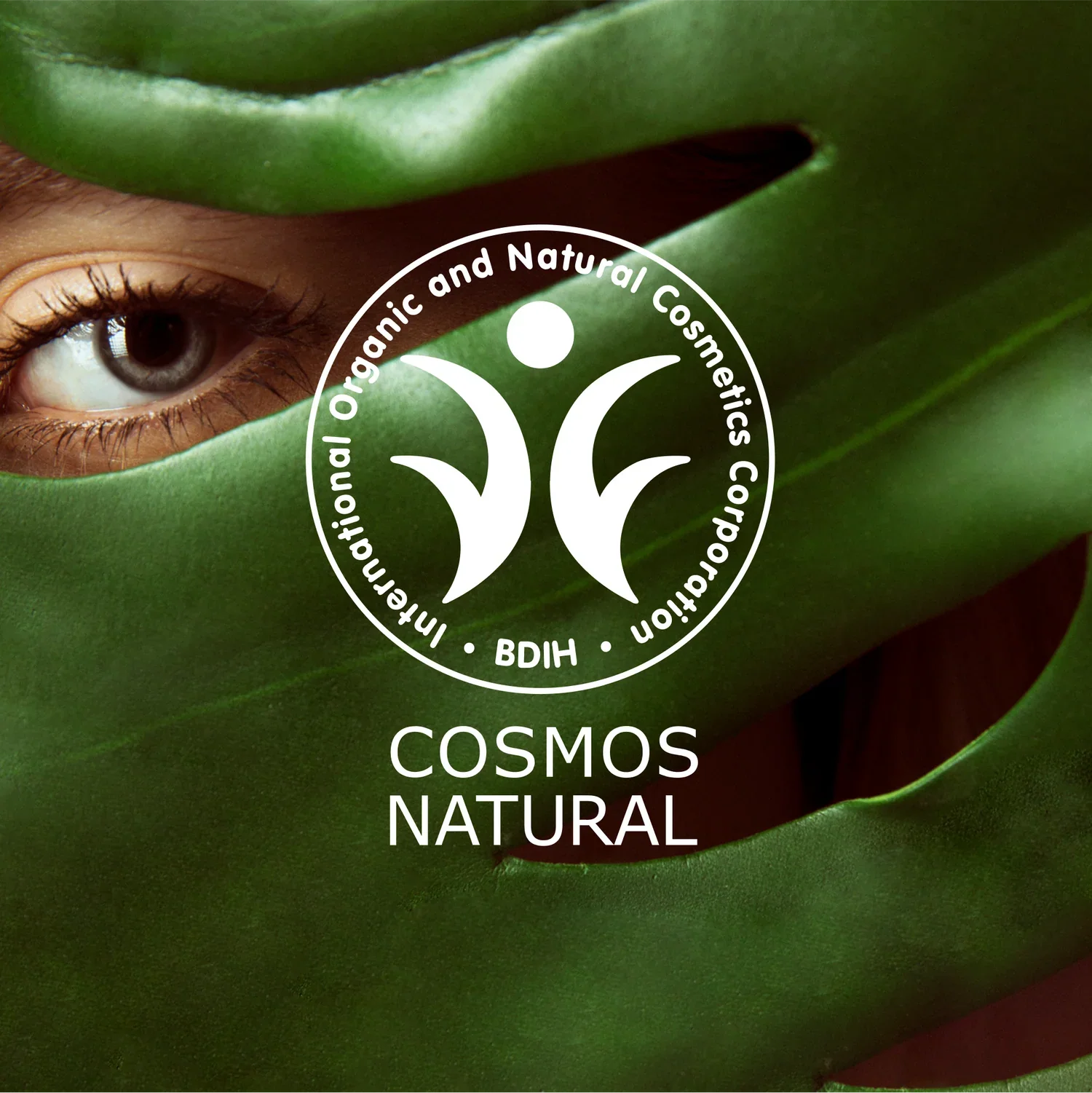
BDIH laid the groundwork for the organic cosmetics market in Europe. Building on that certification system, other well-known standards such as Ecocert and the Soil Association emerged. However, this inadvertently led to consumer confusion when faced with too many certifications at once.
Understanding this concern, BDIH, along with four major European certification organizations, joined forces to establish the non-profit association AISBL and subsequently created a common standard for certifying international organic cosmetics called Cosmos in 2010.
Today, Cosmos is used in place of other organic cosmetic standards not only in Europe but around the world. And of course, BDIH continues to play a role in operating Cosmos as one of the organizations authorized by AISBL to review and issue this certification.
Certification Standards
BDIH is renowned not only for its role in establishing the Cosmos standards but also for the stringent criteria it sets for businesses, such as:
Product Ingredients
If plant-based, ingredients must originate from certified organic farms or be sustainably harvested from natural sources. Additionally, the sterilization process for raw materials must not involve the use of radiation.
Furthermore, to ensure consumer health, all chemical preservatives are prohibited. For emulsifiers and surfactants, companies should only use substances derived from natural ingredients through gentle chemical reactions.
Animal Welfare
BDIH places great emphasis on animal protection, so the organization strictly prohibits the use of ingredients derived from the bodies of vertebrate animals that have died (including fat, collagen, fish extracts, etc.). Animal testing is also prohibited throughout the entire process, from research through production to the final product.
Independent Assessment & Monitoring

BDIH’s assessment and monitoring process is relatively stringent, and companies must submit all information and reports required by BDIH. All processes must fully meet BDIH’s criteria, and annual re-inspections are conducted to ensure transparency and the quality of products and production lines.
Conclusion
It is clear that BDIH is one of the foundational pillars that laid the groundwork for the global organic cosmetics market. Moreover, this organization has also played a key role in establishing COSMOS—the international standard for organic and natural cosmetics. Therefore, it comes as no surprise that this organization holds such a significant and influential position in the global organic cosmetics certification sector.