With a long history, the Soil Association and its certification have made significant contributions to the development of organic products across sectors ranging from agriculture and food to cosmetics. So, what do you know about this certification from the UK? Let’s find out in the following article.
The Origins of the Soil Association
After World War II, not only human health but also the environment was facing serious issues. Recognizing this critical situation, a group of scientists, nutritionists, and pioneering farmers founded the Soil Association in 1946 to spread knowledge about ecological agriculture—which they believed directly impacts both people and the environment.
The philosophy promoted by the Soil Association was quickly embraced and supported by people around the world. By the 1950s, the organization had successfully expanded internationally, reaching 50 countries. By the 1960s, the Soil Association introduced its first set of guidelines for organic farming, followed by the launch of its certification system in 1973. To date, the Soil Association certification has successfully certified over 70,000 products worldwide and holds a strong position in the organic market.
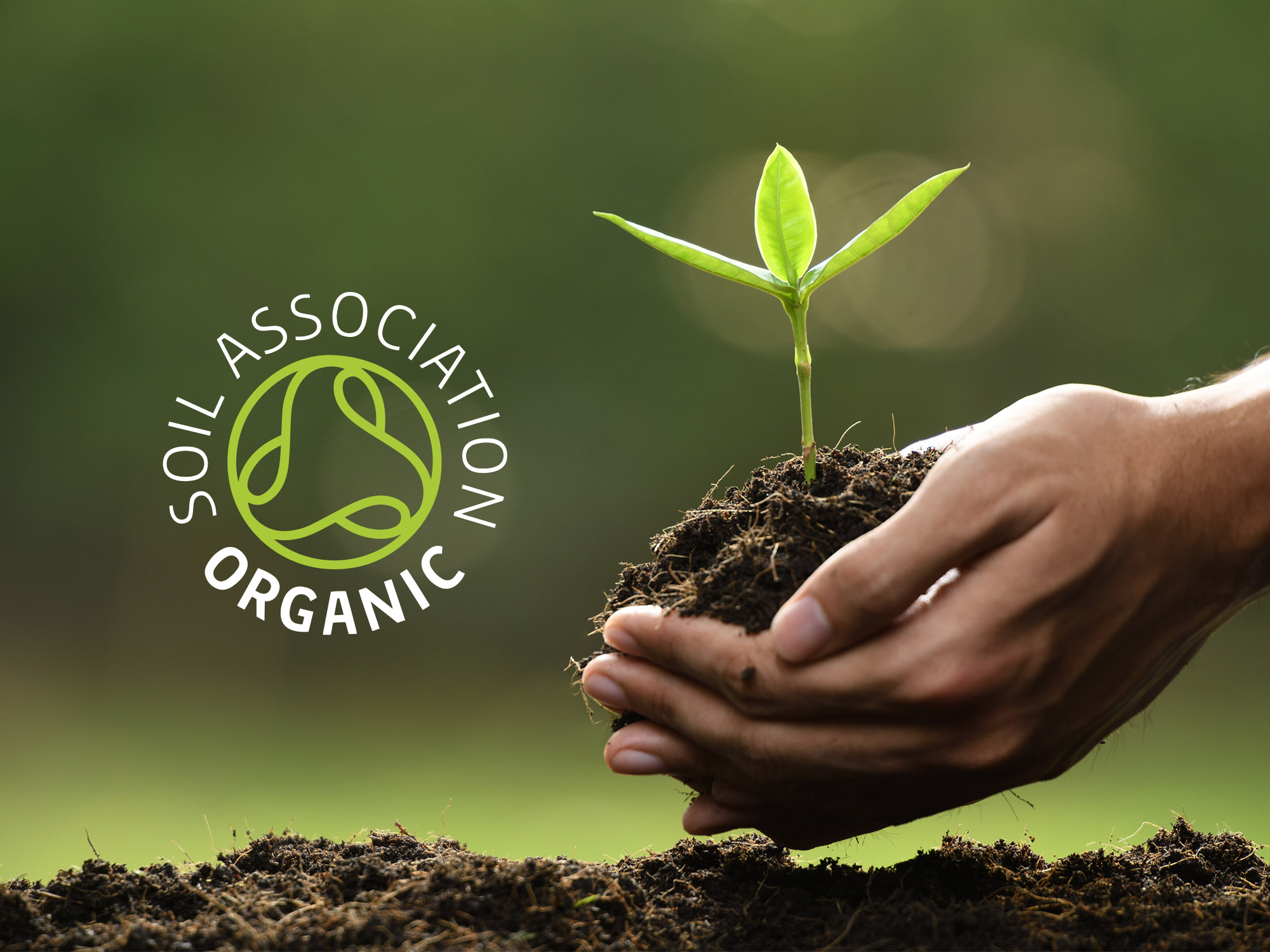
Believing in the interconnectedness of people, the environment, and the land, animals, and plants, the Soil Association is committed to building a sustainable organic agricultural system that is both nature-friendly and beneficial to human health. Gradually, as the trend toward sustainable organic practices has grown, the Soil Association has expanded its focus beyond farms, food, and beverages to include organic cosmetics.
Certification Standards
It can be said that the Soil Association is one of the strictest organic certifications in the world. To obtain this certification, products generally must meet the following basic requirements:
Product Ingredients
Only products containing 95% or more organic ingredients qualify for Soil Association organic certification. For products that do not meet this threshold but fall within the 70%–95% range, the organization’s logo may be used provided the business clearly states the percentage on the label and ingredient list.
Health and Environment
To ensure consumer health, the Soil Association strictly prohibits the use of chemical fertilizers, genetically modified organisms (GMOs), artificial additives, and pesticides during cultivation and production. Additionally, during farming and livestock raising, businesses must commit to not harming the natural ecosystem.
Processing and Production
The Soil Association encourages the use of processing or production methods for raw materials and products that align with environmental criteria, such as the efficient use of energy and the minimization of waste. Furthermore, cleaning and sterilization processes must be carefully considered, and the use of irradiation or irradiated products is prohibited.
The Soil Association and its Contribution to the Cosmos Standard
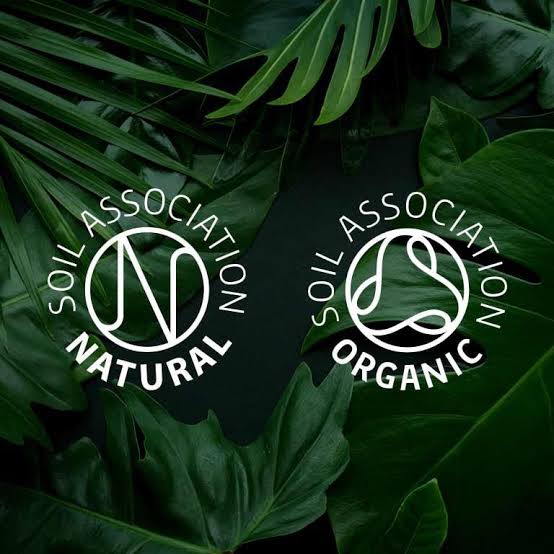
In addition to establishing the foundation for organic product standards, the Soil Association has made significant contributions to the cosmetics market. This organization is one of five European bodies that established Cosmos—the international standard for organic and natural cosmetics. Naturally, it is also an AISBL-authorized member responsible for conducting the certification review process to grant the international Cosmos certification.
To date, Soil Association Cosmos offers a total of four certification categories, categorized by customer segments:
- B2C: Finished cosmetic products targeting retail consumers. This segment includes the Cosmos Organic (Organic Certification) and Cosmos Natural (Natural Certification) categories.
- B2B: Specifically for suppliers, farms, and laboratories to assess raw materials and input ingredients. The B2B segment includes Cosmos Certified (Certified Ingredients) and Cosmos Approved (Approved Ingredients)
Conclusion
It can be said that the Soil Association is one of the oldest organic certification organizations in the world, having been in existence for over half a century. Therefore, there is no doubt about the contribution this organization makes to the sustainable development of organic products, particularly the international Cosmos standards.