Ranked at the top among certifications for organic and natural cosmetics, the Cosmos standard has extremely strict and rigorous regulations to ensure products meet all requirements regarding user health and the environment. So, what are these strict and rigorous regulations? In this article, let’s take a closer look together.
Overview of the Cosmos Standard
The Cosmos Standard (Cosmetic Organic and Natural Standard) was established by the non-governmental association AISBL in 2010 with the aim of promoting sustainable practices in the production and consumption of organic and natural cosmetics. Thanks to the contributions of five major European organizations specializing in standards for organic and natural products—BHDI, Ecocert, Cosmebio, ICEA, and Association (the founding members of AISBL)—the Cosmos Standard quickly gained global recognition.
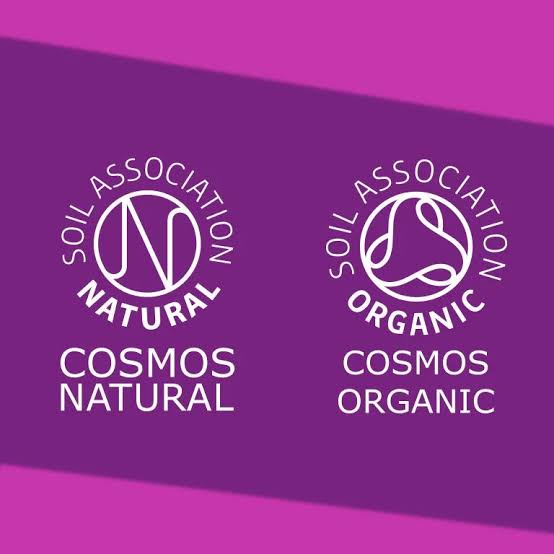
Currently, Cosmos can be considered the most widely recognized international standard globally, with three certification categories:
- Cosmos Organic (Organic Cosmetics Certification): For this category, the final product must contain at least 20% organic ingredients and no more than 2% synthetic ingredients.
- Cosmos Natural (Natural Cosmetics Certification): This category has no limit on the percentage of organic ingredients but requires that they be of natural origin and also contain a maximum of 2% synthetic ingredients.
- Cosmos Certified (Cosmetic Ingredient Certification): This certification is for raw materials and ingredients used in the production of organic cosmetics.
Each Cosmos certification category undergoes a transparent verification process conducted by a third party, free from any commercial interests of the company or other businesses. However, in addition to this rigorous verification process, to obtain Cosmos certification, a business must also meet a series of certification requirements, ranging from product-related issues to environmental considerations.
Cosmos Product Regulations
During the Cosmos standard review process, product-related procedures are always prioritized. This process not only involves verifying and clearly confirming information and the quality of the final product but also encompasses all other stages of production. Specifically, products must meet the following criteria:
Origin of Cosmetic Ingredients
Cosmos maintains strict requirements for product ingredients from the production stage through to the final finished product reaching the consumer. For Cosmos, a product is considered organic only if it contains at least 95% ingredients derived from organic agriculture, and the total percentage of organic ingredients must reach a minimum of 20%.
For cleansing products, non-emulsion-based liquids, and products containing at least 80% minerals or mineral-derived ingredients, the standards differ slightly. These products only need to contain at least 10% organic ingredients by total product weight.
Storage and Production Processes
To ensure the organic and natural composition of the product, other production processes must be conducted carefully and separately to minimize contamination. The quality control system must meet the standards set by COSMOS. Additionally, the company must complete traceability and product ingredient verification.
Last but not least, the company must always ensure proper procedures for analysis, production, and record-keeping. With this process, storage areas must be clearly labeled to minimize any risks or errors that could compromise product integrity.
Packaging Standards
In addition to encouraging the use of reusable or recyclable materials, Cosmos also has specific requirements regarding packaging materials. Businesses are prohibited from using PVC, chlorinated plastics, polystyrene, plastics containing styrene, or materials and substances derived from, originating from, or produced using genetically modified organisms (GMOs). Instead, businesses should prioritize packaging materials made from 100% natural sources or recyclable materials such as wood, glass, aluminum, cardboard, etc.
Cosmos Environmental Standards
In addition to the ingredient and product packaging review process, the environment is also a factor that Cosmos takes very seriously. In this regard, businesses will need to meet the following requirements:
Environmental Management Plan
Most environmental issues arise during the product manufacturing process; therefore, Cosmos requires businesses to have a clear environmental management plan. This plan must address issues related to waste, waste disposal sites, and management strategies—including appropriate measures for waste reduction, reuse, or recycling. However, if a business has achieved ISO 14000 certification, Cosmos will approve this section.
Regulations for cosmetics containing cleansing and sanitizing agents
Businesses must establish a testing system to ensure products are cleaned or disinfected before and after production. Cleaning or disinfecting agents must be verified to fully comply with Cosmos standards, such as being plant-based, meeting maximum biodegradability requirements, and being environmentally safe, etc.
Labeling Regulations

Products meeting Cosmos standards will bear the Cosmos Organic label as well as the logos of the certifying member organizations. However, the product must also clearly list organic ingredient information in the ingredient list, with the following classifications:
- Processed products: use the label “From organic agriculture” or “Made using organic ingredients”
- Organic cosmetics: Only certified cosmetics containing over 95% organic ingredients may bear the Cosmos Organic label. Non-certified cosmetics will carry the label “with organic ingredients.”
Inspection, Certification, and Control
To ensure transparency, all production activities and ingredient/product inspections must be verified annually by a certification body. Ingredients must comply with the ISO/IEC 17025 standard to minimize environmental and ecological contamination.
Ingredient Approval
All organic ingredients in the product must be reported to the certification body with complete information and necessary documentation. Naturally, any subsequent changes to the ingredients must also be submitted for new approval. This helps Cosmos understand the ingredients in the product, thereby better assessing safety for consumers.
Conclusion
For the organic and natural cosmetics market, Cosmos serves as a guiding compass, leading businesses on the path to sustainable development—ensuring profitability while protecting both the environment and consumer health. Perhaps this is why Cosmos’s role has become increasingly important and influential over time.