Palm oil is considered a top essential raw material for many major global markets, including cosmetics, food, and household products such as laundry detergent and soap. Despite its importance, the over-exploitation of palm oil has caused significant damage to the ecosystem. To address and mitigate this issue, the RSPO sustainable certification program was established.
Learn about palm oil
What is palm oil?
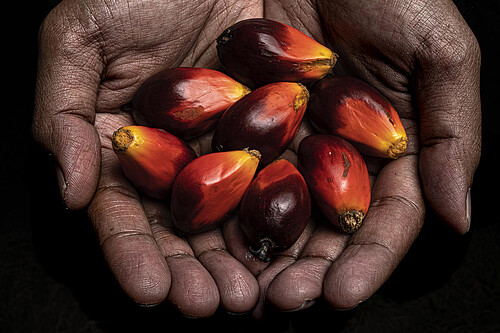
Palm oil is a natural reddish-orange oil derived from the fruit of the oil palm tree. It is commonly used as cooking oil in Africa, Southeast Asia, and some South American countries due to its health benefits, such as antioxidant properties, improved vision, and benefits for brain and cardiovascular health. Currently, oil palms are cultivated in many countries to expand production, but the primary harvest still comes from African and American oil palms.
How does palm oil impact the environment?
Although it offers significant health benefits and contributes greatly to the economy, palm oil also brings numerous negative impacts on the environment. Due to the massive profits generated by palm oil, many forests in various countries have been cleared solely to make way for palm oil plantations, leaving detrimental effects on ecosystems and the wildlife inhabiting these forests.
Furthermore, deforestation and land clearing release thousands of tons of CO2 into the atmosphere while causing soil erosion, which can lead to landslides and floods. Additionally, the palm oil production process severely impacts water resources, discharging 2.5 tons of wastewater for every ton of palm oil produced. And even if this wastewater is treated, we still face carbon emissions from the treatment process through the release of biogas.
The Establishment of the RSPO
To address the global environmental issues caused by palm oil, the Roundtable on Sustainable Palm Oil (RSPO) was officially established in 2004. This is a non-governmental organization jointly established and operated by members including non-governmental organizations, industry groups, buyers, and palm oil producers. After a period of dedicated research, the members successfully defined the concept of sustainable palm oil and established the RSPO standard to certify palm oil producers who do not cause excessive negative impacts on the environment.
So, what is sustainable palm oil? In reality, sustainable palm oil is not a new variety of palm oil; rather, its sustainability is fundamentally reflected in strict environmental and social standards throughout the entire process—from harvesting, processing, and production to distribution. This approach helps minimize deforestation, greenhouse gas emissions, and environmental waste.
Naturally, the RSPO standard, which was created to certify sustainable palm oil, focuses on establishing requirements centered on these two factors. To date, this certification has undergone three revisions of its principles, definitions, guidelines, and licensing criteria (in 2007, 2013, and 2018) and is widely recognized globally under the name RSPO P&C. To date, the RSPO has received significant global recognition, including from the largest producing markets.
The RSPO’s Objectives
In reality, completely eliminating palm oil from production would cause significant environmental issues, as it would require clearing palm oil plantations and shifting to other oil-producing crops with lower yields. Moreover, palm oil is an essential raw material for daily consumer products and provides a strong economic foundation for developing nations.
Therefore, rather than completely halting the extraction and use of palm oil in production, the RSPO aims to minimize the environmental impact of businesses and suppliers as much as possible. Through strict standards, this nonprofit organization helps businesses and manufacturers balance business profits with social and environmental responsibilities. This promotes the concept of sustainable palm oil globally, encourages businesses and manufacturers to adopt this model, and enables consumers to choose high-quality sustainable products.
Conclusion
Sustainable palm oil is increasingly being used in production worldwide as a replacement for traditional palm oil. Behind this positive change, we must certainly acknowledge the non-profit organization RSPO—one of the pioneering organizations that laid the groundwork. And if you’re looking to use products that are better for the environment, don’t forget to choose products with RSPO certification.