Alongside prominent names such as Blue Angel, EU Ecolabel, and SGLS, Green Seal is also considered a “big player” in the field of global ecolabel certification, not only because of its long history but also because of its significant contributions to consumers around the world. So what is the Green Seal? Let’s find out in the following article.
The Birth of Green Seal
Green Seal was founded in 1989 in Washington D.C., USA. It is a non-profit organization with a mission to promote the development of sustainable, environmentally friendly lifestyles. In its early years, Green Seal began by establishing standards for paints and coatings (GS-11). Over time, the organization expanded its certification scope to include various other everyday products such as cosmetics, packaging, cleaning agents, and even hotel services.
Green Seal’s reputation did not stop in the US but quickly spread worldwide as it certified many well-known multinational brands such as Hilton, Johnson & Johnson, etc. The number of products with Green Seal certification quickly exceeded 30,000, helping this certification stand shoulder to shoulder with other major ecological certifications in the Global Ecolabelling Network (GEN).
What is Green Seal’s mission?
As mentioned, the Green Seal organization was established to promote sustainable, environmentally friendly lifestyles. To achieve this effectively, Green Seal has its own important long-term missions:
- Preventing greenwashing: The rapid and strong growth of sustainable living has led to the emergence of many eco-friendly products and services. However, this situation has also inadvertently created loopholes that substandard products exploit to attract consumers. At times like these, products with clear ecolabels such as Green Seal help consumers protect themselves from greenwashing.
- Developing environmental standards: Green Seal develops different environmental criteria based on the nature, classification, and function of each product. This ensures fairness among product categories while guaranteeing quality and sustainability standards.
- Bridge to sustainable consumption: As an independent third-party organization under GEN, Green Seal can ensure that the process of inspecting and verifying products and services from businesses is transparent, clear, and fully compliant with the ISO 14024 environmental standard. Therefore, products bearing the Green Seal certification will always have a certain level of credibility and easily impress consumers, helping to promote sustainable consumption in a quality and assured manner.
Certified product classification
With its strong history of operation, Green Seal has researched, developed, and issued over 30 sets of standards for a wide range of products across many fields, from daily life to services and operations. Although the volume of products that can be certified is enormous, we can divide them into three specific groups based on the standards set by Green Seal, including:
- Consumer products: This group covers almost all consumer products in households, offices, and even industries. The most important standards revolve around limiting toxic chemicals, reducing emissions, and using eco-friendly, easily recyclable packaging.
- Facilities & Services Group: These standards are for service sectors including cleaning services, hotels, and buildings, with criteria for resource conservation, waste reduction, and ensuring workers’ rights.
- Environmental Innovation Group: This is a new group for innovative technology products and services that have a positive impact on the environment.
Green Seal and the benefits of certification
Environment & Society
Green Seal and its certification standards have significantly reduced the use of harmful chemicals and emissions into the environment. This certification also addresses issues such as energy conservation, the use of recycled materials instead of fossil fuels to minimize energy waste and prevent overexploitation of resources.
Additionally, Green Seal closely monitors the working environment of employees within companies to ensure they have full rights and work in safe conditions.
Consumers & Businesses
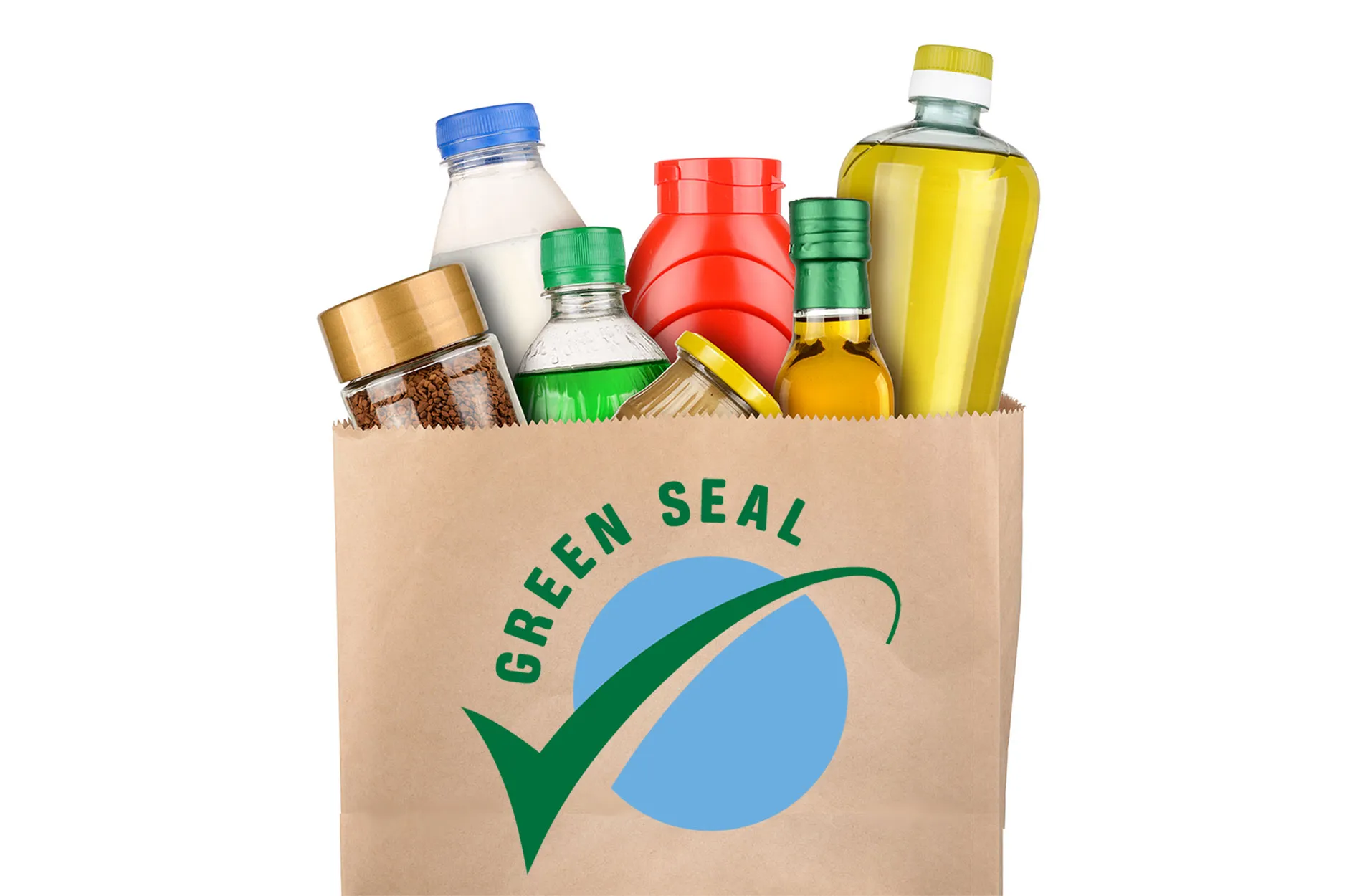
Although it is a US standard, in practice, Green Seal can be registered by businesses in any country, and the reputation of this ecolabel is growing stronger every day in the global market. Therefore, a business with Green Seal certification can enhance its competitiveness and expand its market to target large enterprises or even government organizations.
And of course, Green Seal also plays a significant role for consumers, as this certification acts as a reliable bridge. It helps consumers easily find green products that meet their quality and health needs without having to worry about the potential for greenwashing that is prevalent everywhere.
Conclusion
The sustainable, eco-friendly product market is growing stronger, which means there are too many green products with countless different ecolabels. Therefore, to eliminate low-quality products that are greenwashing, prioritize Type I ecolabels, such as Green Seal.