As one of the internationally recognized green certifications, SGLS has a long history and a wide scope of certification across many industries with a variety of products in many market segments. Therefore, in order to ensure certification is appropriate for each market segment, SGLS has established its own certification classifications. So, what are these classifications? Let’s find out in the following article.
Overview of SGLS
Launched in May 1992 by the Singapore Environment Council (SEC), the Singapore Green Labelling Scheme (SGLS) aims to help consumers easily identify sustainable products that meet standards amid a sea of other eco-friendly products.
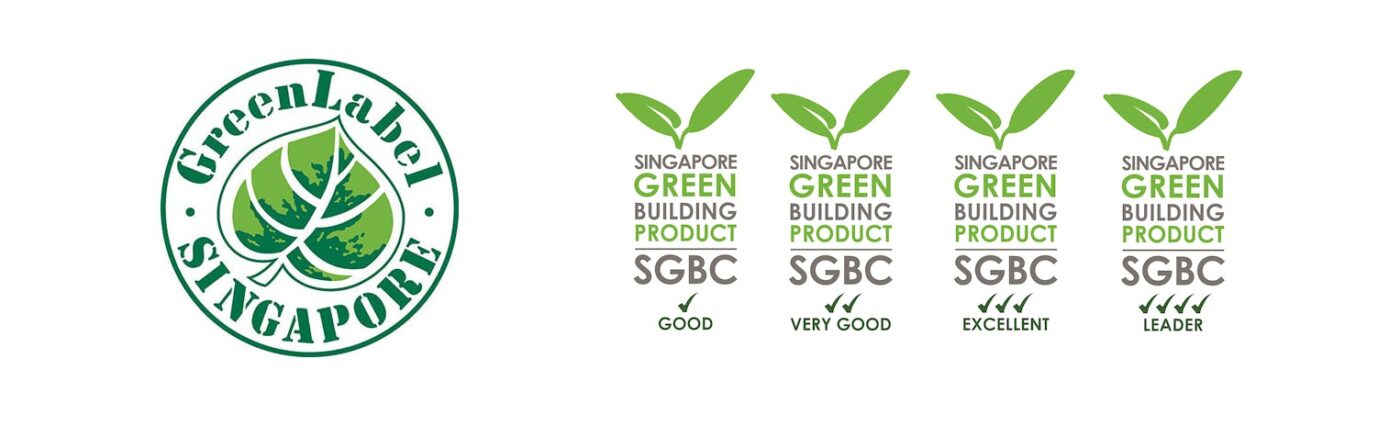
This green label certification stands out for its transparency, as it is issued by an independent third party and has a clear product tracking process throughout its lifecycle. Additionally, the regulations set by SGLS are based on the strict environmental standard ISO 14024, ensuring the reduction of waste and harmful chemicals while always being safe for both the environment and human health. As a result, in 1994, SGLS successfully joined the Global Ecolabelling Network (GEN).
Today, the Singapore Green Label certification has become a trusted and influential eco-label symbol in the Asia-Pacific region. Approximately 4,300 products carry the Singapore Green Labelling Scheme and are distributed across 50 countries worldwide.
The difference between SGLS and SGLS+
As of now, SGLS has been operating for over 30 years in the field of providing green certification for business products. To mark this continuous development, SGLS+ was officially launched in 2017 after years of research to establish new standards. So what is the difference between SGLS and SGLS+? The answer lies in the product portfolio.
- SGLS: primarily certifies industrial and consumer products, ensuring that these products are environmentally friendly and safe for users’ health.
- SGLS+: specifically for paper and pulp products. This program was created to encourage businesses to comply with peatland management regulations, thereby preventing forest fires and working together to protect forests and plantations.
What products does SGLS certify?
The products that can obtain this green label are extremely diverse and span across all sectors. Broadly speaking, SGLS has about 70 types of certifications, but for ease of management, products under the SGLS certification framework are often divided into eight main groups:
- Building Materials and Interior Products: includes everything related to construction and architecture, such as paint, adhesives, interior design, or raw structural materials (cement, concrete, etc.). Even insulation and soundproofing materials are included in this group.
- Lighting Products: SGLS encourages the use of LED lights and other types of lights that are labeled with an energy rating displaying a “tick” and meet the minimum MEPS standards set by Singapore.
- Solar Equipment: Includes products such as solar panels, inverters, mounting systems, etc. These products must deliver high performance, durability, and stable weather resistance while ensuring minimal environmental impact throughout their lifecycle.
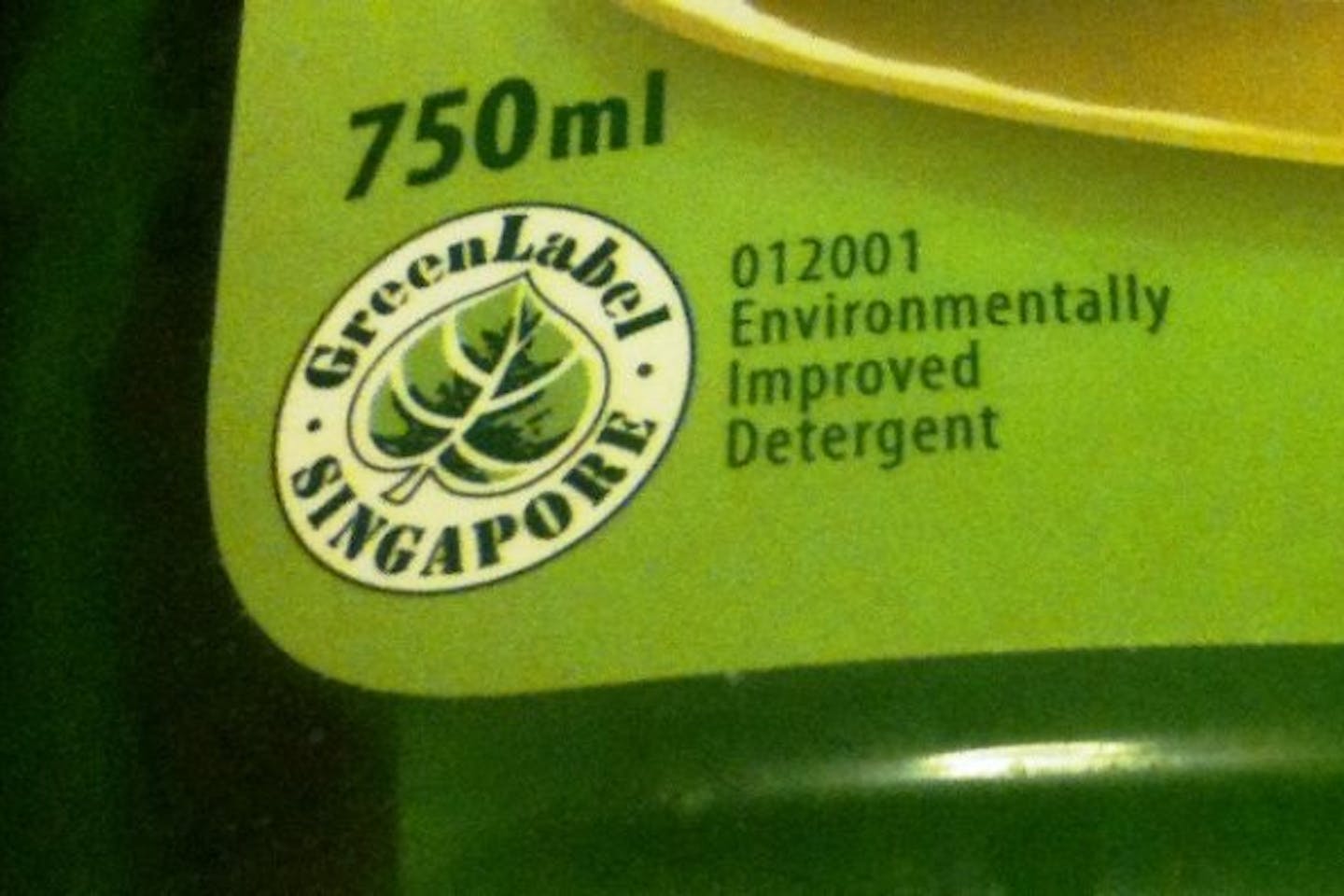
- Cleaning Products: These include laundry detergents, washing powders, dishwashing liquids, multi-purpose cleaners, and high-pressure washers. Naturally, these products must also ensure they do not use harmful chemicals or negatively impact the environment throughout their lifecycle.
- Personal care products: This category is relatively diverse, ranging from convenience products such as shampoo and body wash to cosmetics and skincare products. Overall, this is an important group of SGLS products as they are directly related to consumer health. Therefore, this group has strict requirements regarding both quality and the absence of harmful chemicals in production.
- Household and Consumer Products: This category mainly revolves around paper products used in the home, household electrical appliances, plastic products, and even batteries. Like other categories, this group of products must meet certain standards regarding packaging and the restriction of toxic chemicals to protect health and the environment.
- Office Supplies and Equipment: In addition to office supplies such as paper, pens, and ink, this group also covers office equipment including printers and photocopiers. Each device has its own evaluation criteria, but the core requirements remain recyclability after use, low toxicity, and health safety.
- Other General Products
Conclusion
With a long history of operation, SGLS is not only widely recognized but also spans many essential areas of our daily lives. The more you understand about this Singapore Green Labelling Scheme classification, the easier it will be for you to choose a sustainable product or find the certification that meets your desired criteria.